
Shoulder Labral Tear Treatment in Miami
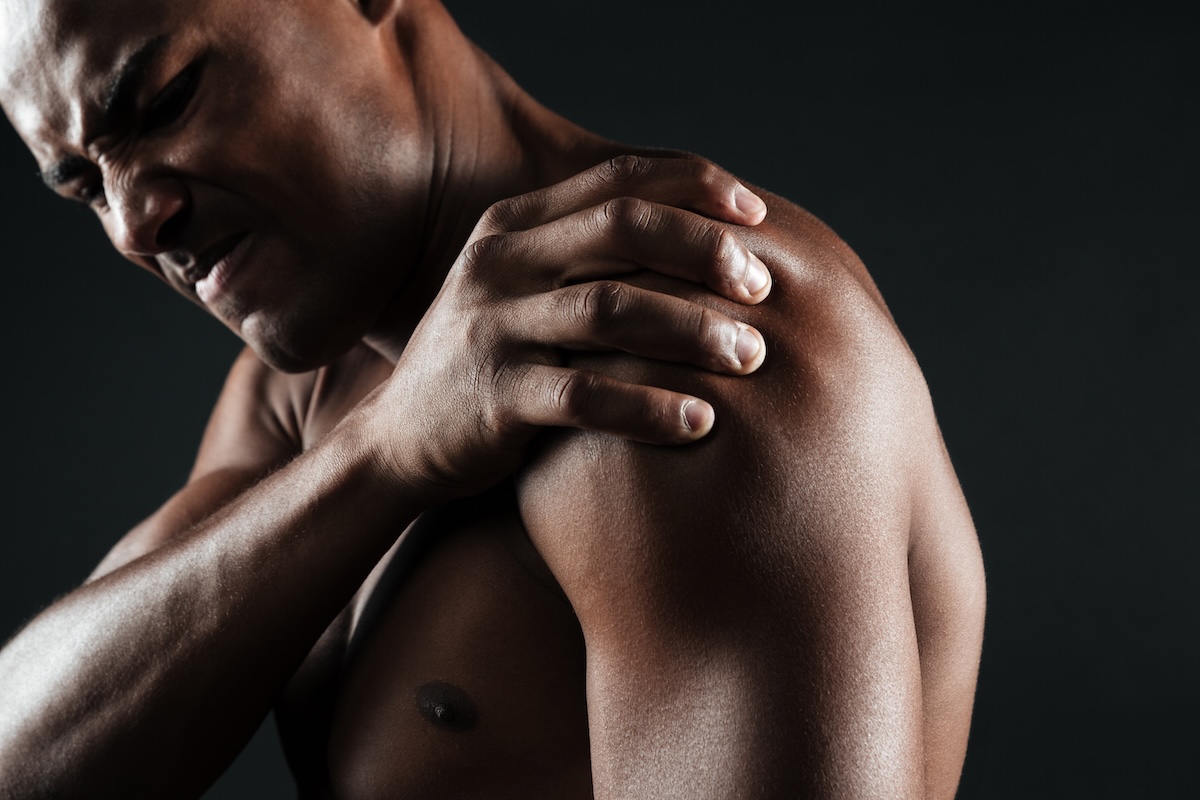
A shoulder labral tear is a common cause of shoulder pain, instability, and mechanical symptoms such as clicking or catching. The labrum is a ring of cartilage that surrounds the shoulder socket and helps stabilize the joint while allowing a wide range of motion.
At our Miami clinic, we provide a comprehensive, non-surgical approach to the evaluation and treatment of shoulder labral tears, focused on accurate diagnosis, symptom relief, and individualized care planning.
What is Shoulder Labral Tear Treatment?
The shoulder labrum is a fibrocartilaginous rim that deepens the socket of the shoulder joint (glenoid), helping maintain stability while the arm moves through a large range of motion.
A labral tear occurs when this cartilage is damaged or detached, which may compromise joint stability and contribute to pain or mechanical symptoms.
Common types of shoulder labral tears include:
- SLAP tears (superior labrum anterior to posterior)
- Anterior labral tears
- Posterior labral tears
Not all labral tears cause symptoms or require surgery.
What are Common Symptoms of Shoulder Labral Tear?
Symptoms vary depending on tear type and severity. Common symptoms include:
- Deep shoulder pain, often difficult to localize
- Pain with overhead or rotational movements
- Clicking, catching, popping, or locking sensations
- A feeling of shoulder instability or weakness
- Pain that interferes with activity or sleep
Some labral tears may be present without significant symptoms.
What are Common Causes of Shoulder Labral Tear?
Shoulder labral tears may develop due to:
- Repetitive overhead activity
- Shoulder instability or dislocation
- Trauma such as a fall onto an outstretched arm
- Sudden pulling or lifting forces
- Degenerative changes over time
Labral tears may occur acutely or develop gradually.
Why is a Comprehensive Shoulder Labral Tear Evaluation Essential?
Diagnosis involves correlating clinical symptoms with physical examination findings and imaging results. Evaluation typically includes:
- Detailed history and symptom assessment
- Physical examination of shoulder stability and motion
- Review of prior imaging
- MRI or MR arthrogram when clinically indicated
Imaging findings are interpreted alongside symptoms, as labral abnormalities may be seen in individuals without pain.
What are Options for Non-Surgical Shoulder Osteoarthritis Treatment in Miami?
Many patients with shoulder labral tears can be managed successfully without surgery.
Physical Therapy and Rehabilitation for Shoulder Osteoarthritis
Physical therapy may focus on:
- Strengthening the rotator cuff and scapular stabilizers
- Improving shoulder mechanics
- Enhancing joint stability
- Restoring functional movement
Therapy programs are individualized based on tear type and activity demands.
Activity Modification and Lifestyle
Treatment may include:
- Avoiding activities that provoke symptoms
- Modifying overhead or rotational movements
- Gradual return to activity based on symptom response
These strategies help reduce joint stress.
Medication Management
Medication may be used to relieve symptoms:
- Over-the-counter analgesics and anti-inflammatory medications
- Prescription anti-inflammatory or pain modulators, when appropriate
Medication is used thoughtfully as part of a broader plan but do not repair labral tissue.
Image-Guided Injections
Injections are used selectively to reduce pain and inflammation:
- Corticosteroid injections for short-term relief
- Hyaluronic acid injections to support joint lubrication
- Regenerative Medicine options – discussed further below
Procedures are performed using ultrasound or fluoroscopic guidance to improve accuracy and safety.
Is Regenerative Medicine Helpful for Shoulder Labral Tears?
When appropriate, regenerative therapies may help support tissue repair and improve symptoms over the long term. These therapies aim to enhance the body’s own healing processes.
Regenerative treatments may include:
Platelet-Rich Plasma (PRP)
PRP uses concentrated platelets from the patient’s own blood to deliver growth factors that may reduce inflammation and stimulate healing in damaged joint tissues. PRP has shown promising results in reducing pain and improving function in shoulder labral tears.
Bone Marrow Concentrate containing Stem Cells
These treatments use concentrated cells from your own bone marrow to potentially support tissue healing and improve joint environment. These procedures are typically considered when conservative options have not provided adequate relief.
Both PRP and cell-based therapies are performed under guided imaging to ensure precise delivery into the affected structures.
Comparing Treatment Options for Shoulder Labral Tears
| Treatment Type | Purpose | Duration of Impact | Invasiveness |
|---|---|---|---|
| Physical Therapy | Improve movement and function | Long-term with adherence | Non-invasive |
| Medications | Pain and inflammation control | Short-term | Non-invasive |
| Bracing/Support | Reduce joint stress | Activity-dependent | Non-invasive |
| Injections (steroid, hyaluronic acid) | Reduce inflammation | Weeks to months | Minimally invasive |
| Regenerative Treatments (PRP/Cell) | Promote healing | Potential long-term | Minimally invasive |
| Surgery (if necessary) | Structural repair | Permanent | Invasive |
Many patients benefit from a coordinated, non-surgical plan before considering surgical intervention.
Who Is a Good Candidate for Non-Surgical Shoulder Labral Tear Treatment?
You may be a good candidate if you:
- Have manageable pain or instability
- Prefer a non-surgical approach
- Do not have recurrent shoulder dislocations
- Are willing to participate in rehabilitation
Treatment plans are tailored to individual symptoms and goals.
Shoulder Labral Tears in Active Adults and Athletes in Miami
Active adults and professionals often place significant stress on the shoulder through sports and repetitive movements. Treatment focuses on:
- Strengthening the muscles surrounding the shoulder joint
- Preventing recurrence and flare-ups
- Supporting long-term shoulder health
The goal is to help patients remain active and productive while managing symptoms safely and effectively.
Frequently Asked Questions
Will I need surgery for Shoulder Labral Tears?
Rarely. Many cases of shoulder labral tears can be treated successfully with non-surgical care including therapy, patience, injections, and regenerative procedures.
Is regenerative medicine safe?
When performed by trained specialists using your own biologic materials, regenerative procedures are generally considered safe and may support healing processes. These procedures should always be performed with imaging guidance like ultrasound and fluoroscopy to target very specific structures in or around the shoulder joint.
How long does recovery take?
Recovery times vary by condition and treatment. Rehabilitation and regenerative care may take weeks to months for optimal improvement.
Is imaging necessary?
Imaging is used when it will meaningfully influence diagnosis or treatment planning. It is often used to assess the severity of a labral tear and guide treatment planning. In cases of shoulder labral tears, the pain pattern can often overlap those related to the neck and other shoulder conditions – osteoarthritis, rotator cuff tears, etc – so imaging studies can be useful to help differentiate the etiology of pain.
Schedule an Appointment
If you are experiencing shoulder pain, or another painful condition, and want a comprehensive evaluation and non-surgical treatment plan, we are here to help. Contact our Miami clinic to schedule an appointment.