
An anterior cruciate ligament (ACL) tear is a common knee injury that can cause pain, swelling, and a feeling of instability. The ACL is one of the primary ligaments that stabilizes the knee during cutting, pivoting, and sudden directional changes. ACL injuries can occur during sports, exercise, or everyday activities involving twisting or abrupt movements.
At our Miami clinic, we provide a comprehensive, non-surgical approach to ACL tear treatment focused on accurate diagnosis, restoring knee stability, reducing symptoms, and helping patients return to activity while avoiding unnecessary surgery whenever possible.
The ACL is located in the center of the knee joint and helps prevent excessive forward movement and rotational instability of the tibia relative to the femur.
ACL injuries may range from:
Not all ACL tears require surgery, particularly in patients without significant instability or high athletic demands.
Symptoms of an ACL tear may vary depending on severity and activity level. Common symptoms include:
Some patients with partial tears may have subtle or intermittent symptoms.
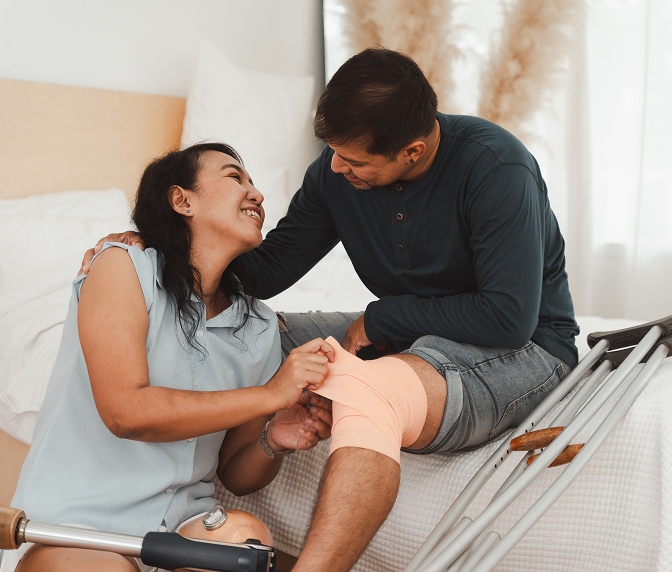
ACL tears commonly occur due to:
Non-contact injuries are a frequent cause of ACL tears.
Accurate diagnosis requires correlating symptoms with physical examination findings and imaging results. Evaluation typically includes:
Detailed history and injury mechanism review
Physical examination assessing knee stability and ligament integrity
Gait and functional movement assessment
Review of prior imaging
MRI of the knee when clinically indicated which may also show concomitant meniscus tear
Imaging findings are interpreted alongside symptoms, as MRI abnormalities do not always predict functional limitation.
Many patients with ACL tears — especially partial tears or low-demand individuals — can be managed successfully without surgery.
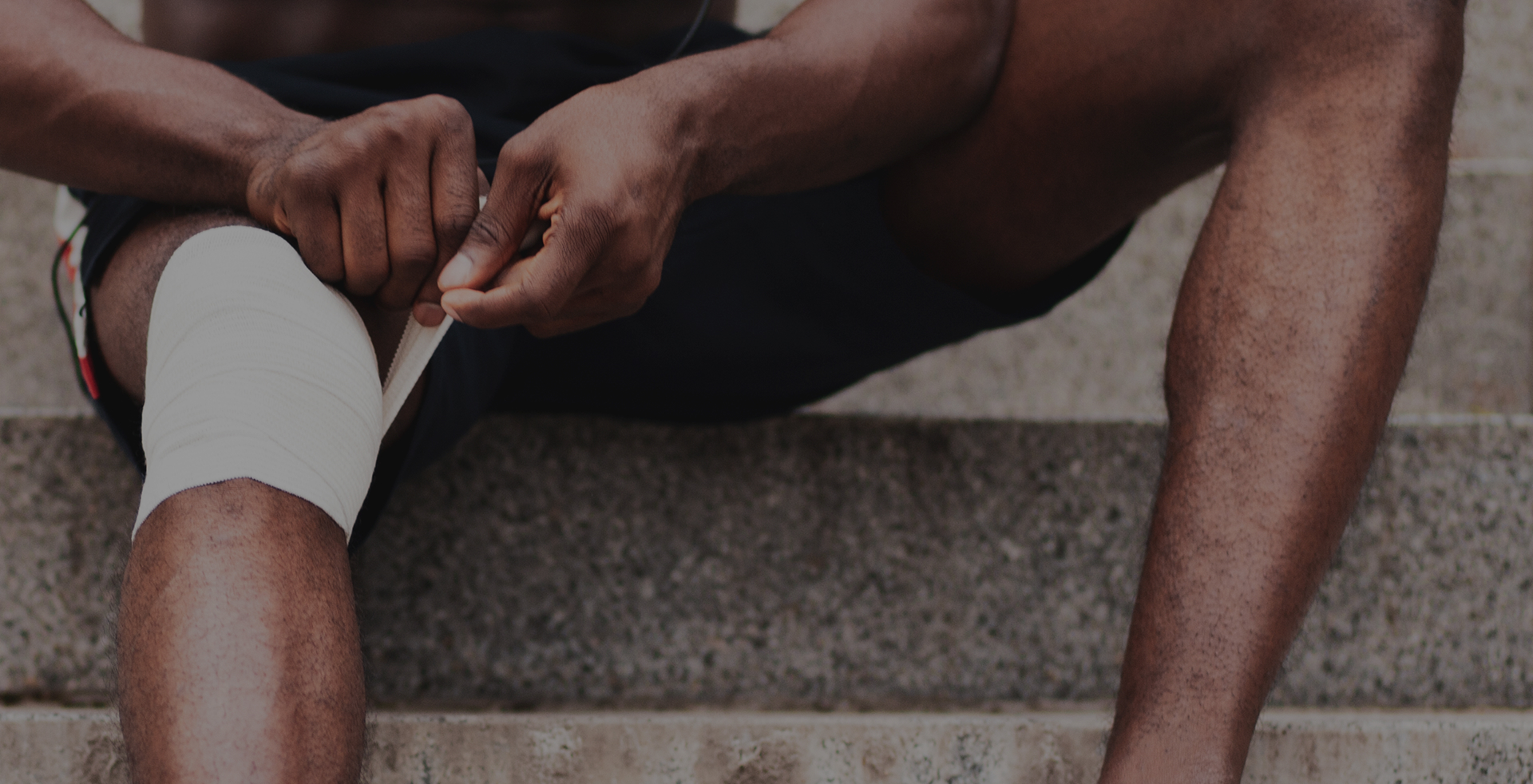
Physical therapy is a cornerstone of non-surgical treatment and may focus on:
Rehabilitation programs are individualized based on goals and activity demands.
Appropriate activity modification and external support play an important role in ACL tear management, particularly during the early recovery phase and return-to-activity progression.
Following an ACL injury, temporary modification of high-risk activities helps protect the knee from further damage while rehabilitation progresses. This typically includes:
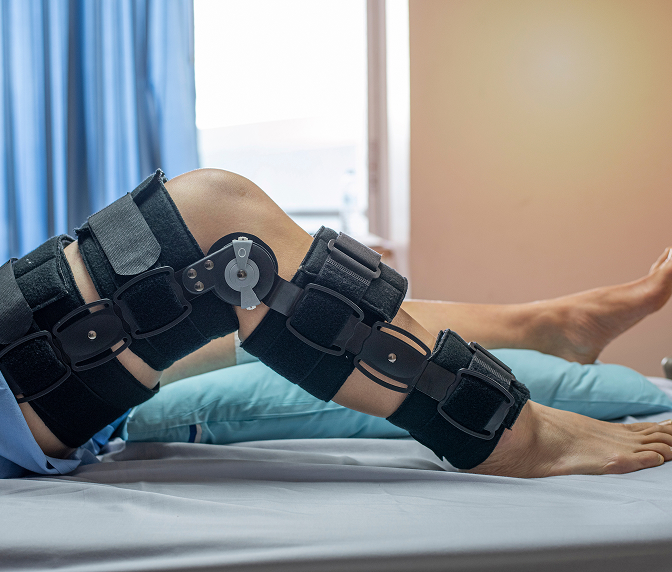
Functional knee bracing may be used in select patients with ACL injuries to provide external rotational support during activity. Bracing is most appropriate for:
It is important to understand that bracing does not replace the mechanical function of an intact ACL and is not a standalone treatment for significant instability. Its role is as a supportive adjunct to rehabilitation — not a substitute for it.
Return-to-activity decisions are based on objective functional criteria rather than time alone. Dr. Bonner coordinates with physical therapists to assess quadriceps and hamstring strength symmetry, neuromuscular control, and sport-specific movement patterns before recommending full return to activity. This approach reduces the risk of reinjury — which is significant following ACL injury, particularly in young athletes returning to cutting sports.
Medications may be used to help manage pain and swelling and may include:
Medications are used to support rehabilitation, not replace it.
In select cases, injections may be considered to help manage knee pain or inflammation associated with ACL injury:
These procedures are typically performed using image guidance to improve accuracy and safety.
For patients with ACL injuries who are seeking non-surgical options — particularly those with partial tears, low-demand activity levels, or a desire to trial conservative care before committing to surgery — regenerative medicine offers a biologically targeted approach to supporting ligament healing and the surrounding joint environment.
PRP is the most commonly used regenerative treatment for ACL injuries and the one with the strongest evidence base for this indication. Platelet-rich plasma concentrates growth factors from your own blood — including PDGF, TGF-β, and VEGF — and delivers them directly into the ACL tear site under ultrasound guidance. These growth factors have been shown to promote ligament cell proliferation, collagen synthesis, and vascular ingrowth — the biological processes underlying ligament healing.
PRP is most appropriate for:
For patients with ACL injuries accompanied by more significant joint involvement — coexisting cartilage damage, bone marrow lesions, or early osteoarthritis from chronic instability — BMAC may be considered as part of a comprehensive treatment approach. BMAC adds mesenchymal stem cells to the growth factor payload, making it the more potent option when multiple structures within the knee need to be addressed simultaneously.
It is important to understand that neither PRP nor BMAC is a substitute for ACL reconstruction in patients with complete tears causing significant mechanical instability or those who wish to return to high-demand pivoting sports. Dr. Bonner will give you an honest assessment of what regenerative treatment can realistically offer for your specific injury pattern.
All regenerative procedures at our clinic are performed under image guidance by a credentialed Regenexx network provider — ensuring precise delivery to the target tissue and adherence to evidence-based protocols.

Surgical reconstruction may be considered when:
Many patients are able to manage ACL injuries without surgery, particularly when instability is minimal. It is important to note that there is increasing evidence that surgery can be delayed without any long term effect on the results of surgery, so patients who choose to trial a non-surgical approach first can still benefit from surgery if it does not go as planned.

You may be a good candidate for a non-surgical approach if you:
Treatment plans are individualized based on knee stability, activity level, and long-term goals. One study of ACL repair versus rehabilitation with option for subsequent repair showed that 50% of patients who underwent early rehabilitation did not require ACL repair at 2 year follow up!
Surgery for an ACL tear depends on the patient and the degree of the tear. Often, surgery is recommended, but it is not always required even in the case of more extensive ACL tears. Surgery may also help prevent the early developement of knee osteoarthritis.
When performed by trained specialists using your own biologic materials, regenerative procedures are generally considered safe and may support healing processes. These procedures should always be performed with imaging guidance like ultrasound and fluoroscopy to target very specific structures in or around the knee joint.
Recovery times vary by condition and treatment. Rehabilitation and regenerative care may take weeks to months for optimal improvement.
Imaging studies like MRI can be very useful in the diagnosis of an ACL tear and to help determine the best plan of care.
PRP can support the healing environment in a partial ACL tear by delivering concentrated growth factors directly into the injured ligament tissue under ultrasound guidance. Research has shown improved MRI-based healing outcomes in partial ACL tears treated with PRP compared to controls. Results depend on tear severity, patient factors, and commitment to rehabilitation. Dr. Bonner will review your MRI at consultation to determine whether PRP is a realistic option for your specific tear pattern.
Non-surgical management — including PRP and rehabilitation — does not close the door to surgery. If conservative care does not provide adequate stability or function, ACL reconstruction remains an option. As noted in the NEJM research cited above, delaying surgery to trial non-surgical care does not compromise surgical outcomes for patients who ultimately need reconstruction.
If you are experiencing an ACL tear (or other Orthopedic condition) and want a comprehensive evaluation and non-surgical treatment plan, we are here to help. Contact our Miami clinic to schedule an appointment.
CONTACT US