
A sports hernia, also known as athletic pubalgia, is a common cause of chronic groin and lower abdominal pain, particularly in active individuals and athletes. Despite the name, a sports hernia is not a true hernia, but rather a strain or injury involving the muscles, tendons, or soft tissues of the lower abdominal wall and pelvis.
At our Miami clinic, we offer a comprehensive, non-surgical approach to the evaluation and treatment of sports hernias, focused on accurate diagnosis, symptom relief, and restoring function while avoiding unnecessary surgery when possible.
A sports hernia refers to injury or dysfunction of the soft tissues where the lower abdominal muscles, adductors, and pelvic structures attach near the pubic bone. These structures play a critical role in:
Injury can occur when repetitive stress overwhelms the ability of these tissues to tolerate load.
Symptoms may vary but commonly include:
Unlike a true hernia, there is usually no visible bulge.
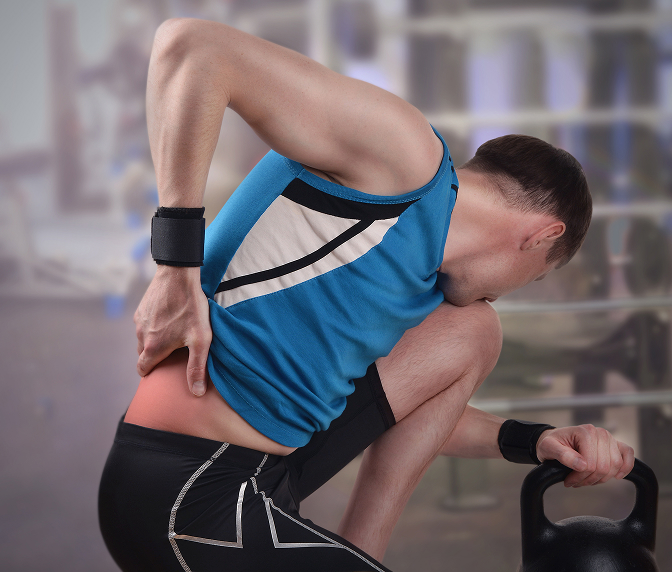
Sports hernias often develop due to:
Symptoms often develop gradually rather than after a single traumatic event.
Diagnosis requires careful clinical evaluation, as symptoms often overlap with other hip and groin conditions. Evaluation typically includes:
Detailed history and activity assessment
Physical examination of the abdomen, groin, and hip
Assessment of core and hip strength
Review of prior imaging
MRI of the pelvis or hip when clinically indicated
Imaging findings must be interpreted alongside symptoms, as abnormalities can be present without pain.
Many patients with sports hernia can be managed without surgery, particularly when symptoms are mild to moderate.
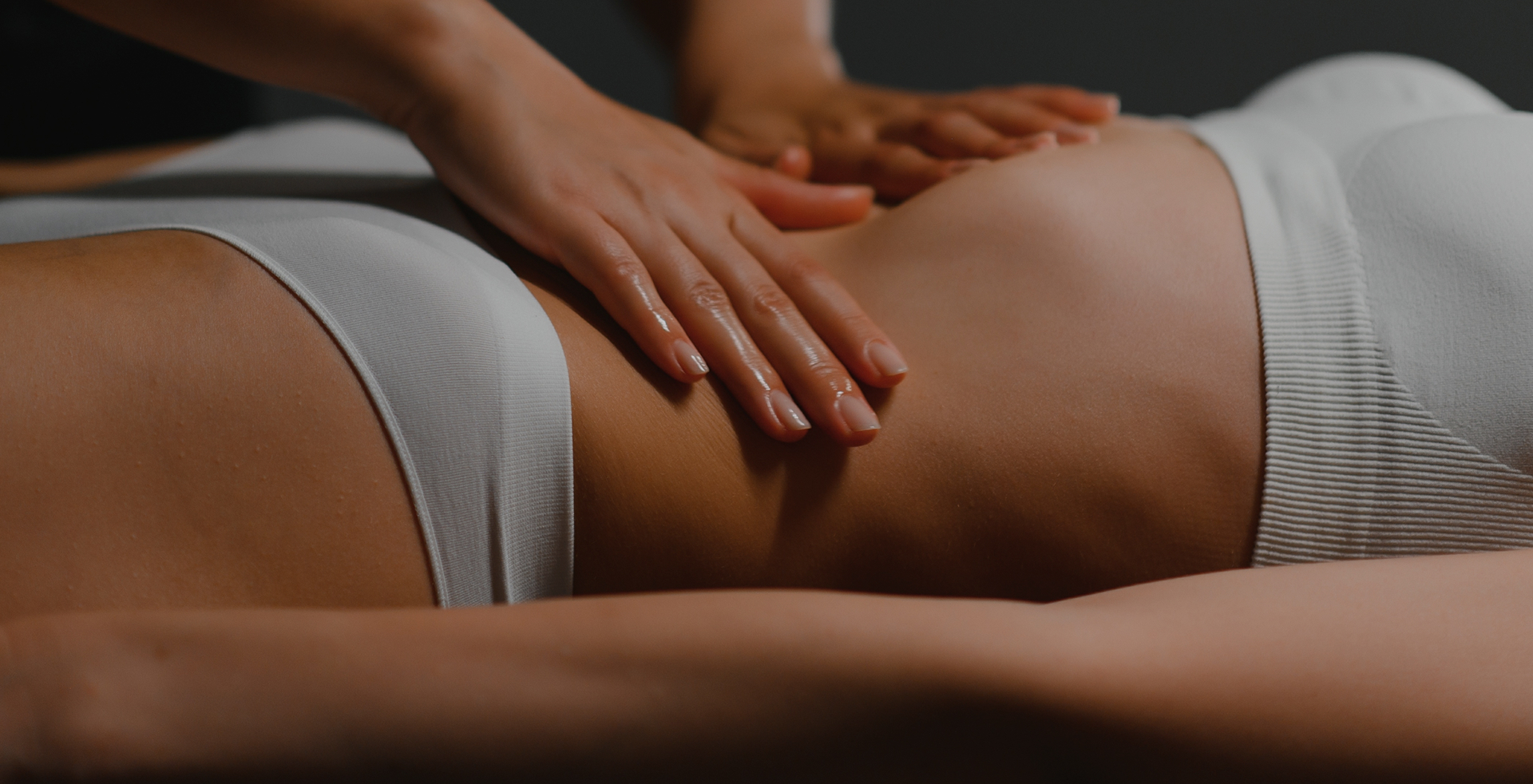
Physical therapy is a cornerstone of treatment and may focus on:
Programs are individualized to support healing while maintaining conditioning.
Treatment may include:
These strategies help reduce ongoing tissue stress.
Medication may be used to relieve symptoms:
Medications support rehabilitation efforts but do not repair the muscle or tendon tissue.
In select cases, image-guided injections may be considered:
Image guidance with ultrasound or fluoroscopy improves accuracy and procedural safety.
In certain situations, biologic therapies such as platelet-rich plasma (PRP) or bone marrow–derived therapies may be discussed as part of a comprehensive, non-surgical treatment strategy. hese therapies are intended to support the local tissue environment and manage inflammation rather than repair torn structures surgically.
Appropriate patient selection is essential, and treatment decisions are individualized based on imaging findings, disease stage, symptoms, and patient goals.
Regenerative treatments may include:
PRP uses concentrated platelets from the patient’s own blood to deliver growth factors that may reduce inflammation and stimulate healing in damaged joint tissues. PRP has shown promising results in reducing pain and improving function in a sports hernia.
These treatments use concentrated cells from your own bone marrow to potentially support tissue healing and improve joint environment. These procedures are typically considered when conservative options have not provided adequate relief.
Both PRP and cell-based therapies are performed under guided imaging to ensure precise delivery into the affected structures.
| Treatment Type | Purpose | Duration of Impact | Invasiveness |
|---|---|---|---|
| Physical Therapy | Improve movement and function | Long-term with adherence | Non-invasive |
| Medications | Pain and inflammation control | Short-term | Non-invasive |
| Bracing/Support | Reduce joint stress | Activity-dependent | Non-invasive |
| Injections | Reduce inflammation | Weeks to months | Minimally invasive |
| Regenerative Treatments (PRP/Cell) | Promote healing | Potential long-term | Minimally invasive |
| Surgery (if necessary) | Structural repair | Permanent | Invasive |
Many patients benefit from a coordinated, non-surgical plan before considering surgical intervention.

You may be a good candidate if you:
Treatment plans are tailored to symptoms, sport demands, and goals.
More severe cases of sports hernia may require surgical intervention, but many of the mild to moderate cases will respond well to non-surgical care. Many cases of sports hernia can be treated successfully with non-surgical care including therapy, injections, and regenerative procedures.
When performed by trained specialists using your own biologic materials, regenerative procedures are generally considered safe and may support healing processes. These procedures should always be performed with imaging guidance like ultrasound and fluoroscopy to target very specific structures at the site of tissue injury.
Recovery times vary by condition and treatment. Rehabilitation and regenerative care may take weeks to months for optimal improvement.
Imaging is used when it will meaningfully influence diagnosis or treatment planning. It is often used to assess the severity of the sports hernia and guide treatment planning. In cases of sports hernia, the pain pattern can often overlap those related to hip labral tears, hip osteoarthritis or the spine, so imaging studies can be useful to help differentiate the etiology of pain. Also, more severe issues like hip osteonecrosis may need to be ruled out in older patients or those with significant risk factors.
If you are experiencing hip pain, or another painful condition, and want a comprehensive evaluation and non-surgical treatment plan, we are here to help. Contact our Miami clinic to schedule an appointment.
CONTACT US