
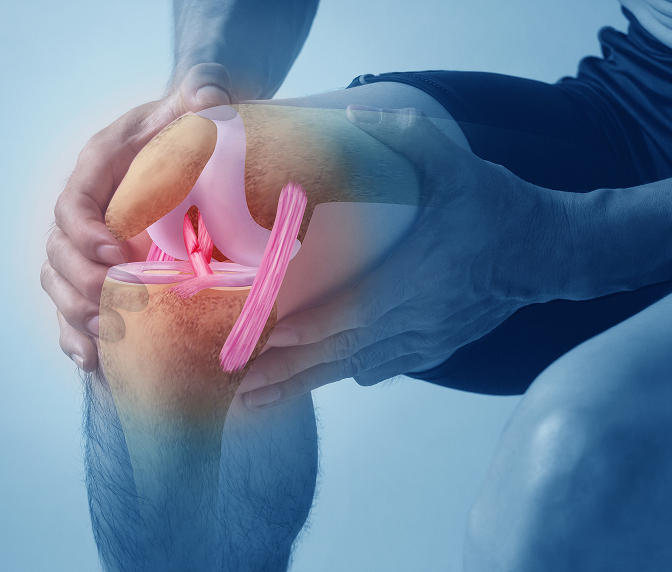
A meniscus tear is a common cause of knee pain, swelling, and mechanical symptoms such as catching or locking. The meniscus is a crescent-shaped cartilage structure within the knee that helps absorb shock, distribute load, and stabilize the joint. Tears can occur due to acute injury or gradual degeneration over time.
At our Miami clinic, we provide a comprehensive, non-surgical approach to meniscus tear treatment focused on accurate diagnosis, symptom relief, restoring knee function, and helping patients avoid unnecessary surgery whenever possible.
The knee contains two menisci:
A meniscus tear occurs when the cartilage fibers are disrupted. Tears may vary in size, location, and pattern, and these factors influence symptoms and treatment options.
Meniscus tears may be:
Not all meniscus tears cause symptoms, and many are discovered incidentally on imaging.
Symptoms depend on the size and location of the tear. Common symptoms include:
Symptoms may worsen with activity and improve with rest.
Neck pain may result from degenerative, mechanical, or traumatic conditions, including:
Modern work habits and prolonged screen use make neck pain increasingly common in both younger and older adults.
Accurate diagnosis requires correlating symptoms with physical examination findings and imaging results. Evaluation typically includes:
Detailed history and symptom assessment
Physical examination focusing on knee stability and joint line tenderness
Assessment of gait and lower extremity mechanics
Review of prior imaging
MRI of the knee when clinically indicated
Imaging findings are interpreted alongside symptoms, as not all meniscus tears cause pain.
Many meniscus tears can be managed effectively without surgery.

Physical therapy is often central to treatment and may focus on:
Remaining active within pain limits is encouraged.
Patient education and behavior modification are central to managing symptoms and preserving joint health:
Medication may be used to relieve symptoms:
Medication is used thoughtfully as part of a broader plan.
Injections are used selectively to reduce pain and inflammation:
These are typically performed with imaging guidance for accuracy and safety.
When appropriate, regenerative therapies may help support tissue repair and improve symptoms over the long term. These therapies aim to enhance the body’s own healing processes.
Regenerative treatments may include:
PRP uses concentrated platelets from the patient’s own blood to deliver growth factors that may reduce inflammation and stimulate healing in damaged joint tissues. PRP has shown promising results in reducing pain and improving function in meniscus tears.
These treatments use concentrated cells from your own bone marrow to potentially support tissue healing and improve joint environment. These procedures are typically considered when conservative options have not provided adequate relief.
Both PRP and cell-based therapies are performed under guided imaging to ensure precise delivery into the affected structures.
| Treatment Type | Purpose | Duration of Impact | Invasiveness |
|---|---|---|---|
| Physical Therapy | Improve movement and function | Long-term with adherence | Non-invasive |
| Medications | Pain and inflammation control | Short-term | Non-invasive |
| Bracing/Support | Reduce joint stress | Activity-dependent | Non-invasive |
| Injections (steroid, hyaluronic acid) | Reduce inflammation | Weeks to months | Minimally invasive |
| Regenerative Treatments (PRP/Cell) | Promote healing | Potential long-term | Minimally invasive |
| Surgery (if necessary) | Structural repair | Permanent | Invasive |
Many patients benefit from a coordinated, non-surgical plan before considering surgical intervention.
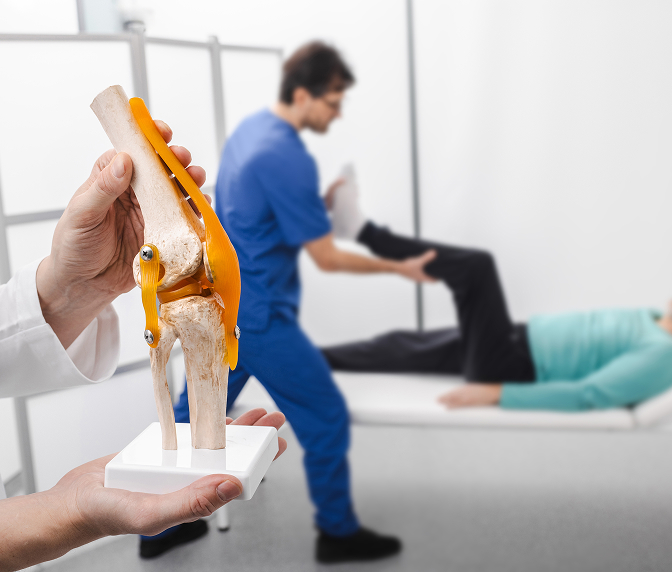
You may be a good candidate if you:
Treatment plans are individualized based on symptoms, knee stability, and activity goals.

Active adults and professionals often place significant stress on the knees through sports and repetitive movements. Treatment focuses on:
The goal is to help patients remain active and productive while managing symptoms safely and effectively.
Rarely. Most cases of meniscus tears can be treated successfully with non-surgical care including therapy, patience, injections, and regenerative procedures.
When performed by trained specialists using your own biologic materials, regenerative procedures are generally considered safe and may support healing processes. These procedures should always be performed with imaging guidance like ultrasound and fluoroscopy to target very specific structures in or around the knee joint.
Recovery times vary by condition and treatment. Rehabilitation and regenerative care may take weeks to months for optimal improvement.
Imaging is used when it will meaningfully influence diagnosis or treatment planning. If a knee is locking or causing significant functional limitation, an imaging study like an MRI may offer diagnostic value.
If you are experiencing knee pain and want a comprehensive evaluation and non-surgical treatment plan, we are here to help. Contact our Miami clinic to schedule an appointment.
CONTACT US