
Knee Osteoarthritis Treatment in Miami
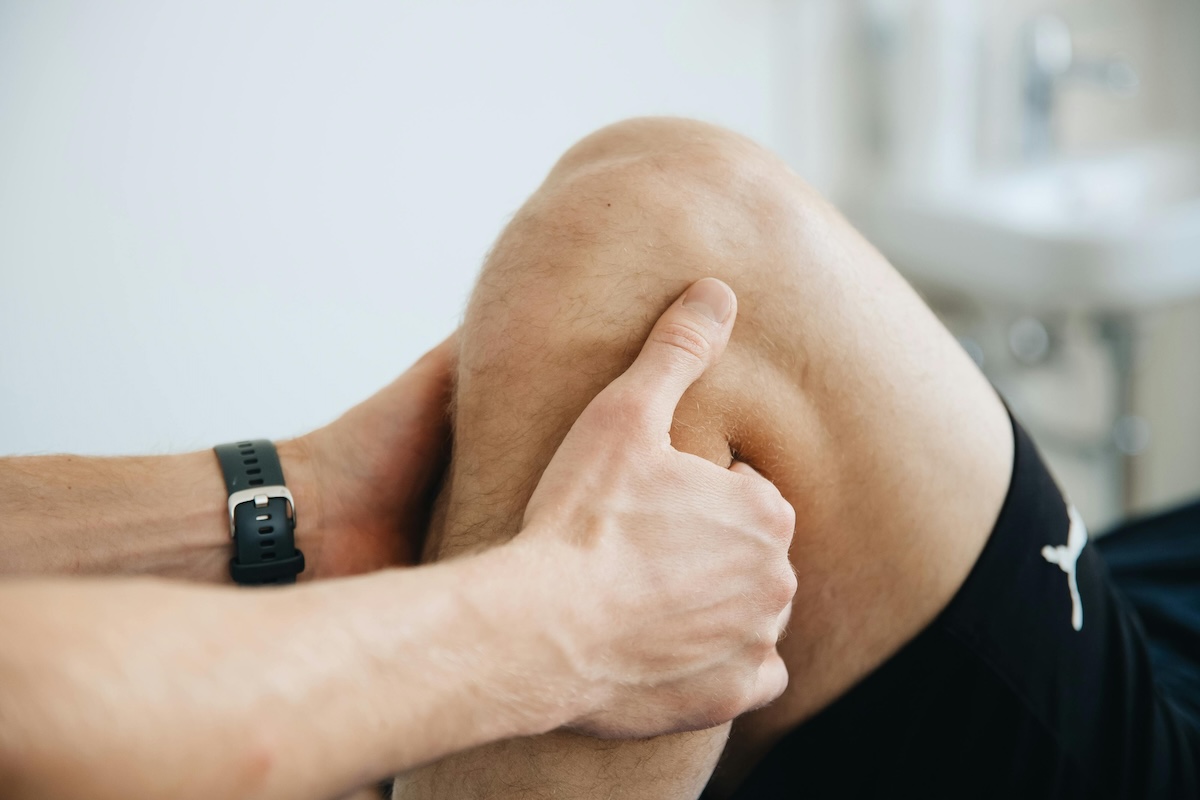
Knee osteoarthritis is one of the most common degenerative joint conditions seen in adults. It occurs when the cartilage that cushions the knee gradually wears down, leading to pain, stiffness, swelling, and reduced mobility. As a leading cause of functional limitation, knee osteoarthritis can affect daily activities such as walking, climbing stairs, and standing for long periods.
At our Miami clinic, we provide a comprehensive, evidence-based, non-surgical approach to knee osteoarthritis care. Our goal is to reduce pain, improve function, and help patients avoid or delay the need for surgical intervention when possible.
What is Knee Osteoarthritis?
Knee osteoarthritis is a degenerative condition that affects the joint surfaces where the thigh bone (femur) and shin bone (tibia) meet. As cartilage wears away, the bones can begin to rub together, leading to inflammation, pain, and joint dysfunction. Many patients seeking knee pain treatment or knee pain relief in Miami are found to have underlying osteoarthritis contributing to their symptoms.
Common contributing factors include:
- Aging and wear and tear
- Previous knee injuries (e.g., meniscus tears, ligament injuries)
- Repetitive stress from athletic activity or occupation
- Obesity and metabolic factors
- Genetic predisposition
What are Common Symptoms of Knee Osteoarthritis?
Symptoms of knee osteoarthritis may include:
- Pain with walking, standing, or climbing stairs
- Stiffness, especially in the morning or after inactivity
- Swelling and warmth in the joint
- Decreased range of motion
- Crepitus (crackling or grinding sensations)
- Difficulty with everyday activities such as rising from a chair
Symptoms often develop gradually and can vary in intensity.
What are Common Causes of Knee Osteoarthritis?
Knee osteoarthritis generally develops over time due to a combination of factors:
- Cartilage breakdown, reducing cushioning in the joint
- Bone spur formation at joint margins
- Inflammation of the synovium (joint lining)
- Muscle weakness around the knee
- Biomechanical imbalances that increase stress on the joint
Risk increases with age, prior injury, joint misalignment, obesity, and certain repetitive activities.
Why is a Comprehensive Knee Osteoarthritis Evaluation Essential?
A thorough evaluation helps determine the best treatment plan and may include:
- Medical and symptom history
- Physical examination and gait assessment
- Assessment of strength and flexibility
- Review of imaging studies (X-ray, MRI)
- Functional movement analysis
Accurate identification of contributing factors enables a personalized treatment strategy.
What are Options for Non-Surgical Knee Osteoarthritis Treatment in Miami?
A multifaceted, conservative approach to knee osteoarthritis can significantly improve outcomes without surgery.
Physical Therapy and Rehabilitation for Knee Osteoarthritis
Physical therapy focuses on:
- Strengthening muscles around the knee and hip
- Improving balance and stability
- Enhancing flexibility and joint motion
- Correcting abnormal movement patterns
Activity Modification and Lifestyle
Patient education and behavior modification are central to managing symptoms and preserving joint health:
- Adjusting activities that exacerbate pain
- Weight management support
- Low-impact exercise recommendations such as swimming or cycling can sometimes help get through exacerbations
Medication Management
Medication may be used to relieve symptoms:
- Over-the-counter analgesics and anti-inflammatory medications
- Prescription anti-inflammatory or pain modulators, when appropriate
Medication is used thoughtfully as part of a broader plan.
Image-Guided Injections
Injections are used selectively to reduce pain and inflammation:
- Corticosteroid injections for short-term relief
- Hyaluronic acid injections to support joint lubrication
- Regenerative Medicine options – discussed further below
These are typically performed with imaging guidance for accuracy and safety.
Is Regenerative Medicine Helpful for Knee Osteoarthritis?
When appropriate, regenerative therapies may help support tissue repair and improve symptoms over the long term. These therapies aim to enhance the body’s own healing processes.
Regenerative treatments may include:
Platelet-Rich Plasma (PRP)
PRP uses concentrated platelets from the patient’s own blood to deliver growth factors that may reduce inflammation and stimulate healing in damaged joint tissues. PRP has shown promising results in reducing pain and improving function in knee osteoarthritis.
Bone Marrow Concentrate containing Stem Cells
These treatments use concentrated cells from your own bone marrow to potentially support tissue healing and improve joint environment. These procedures are typically considered when conservative options have not provided adequate relief.
Both PRP and cell-based therapies are performed under guided imaging to ensure precise delivery into the affected structures.
Comparing Treatment Options for Knee Osteoarthritis
| Treatment Type | Purpose | Duration of Impact | Invasiveness |
|---|---|---|---|
| Physical Therapy | Improve movement and function | Long-term with adherence | Non-invasive |
| Medications | Pain and inflammation control | Short-term | Non-invasive |
| Bracing/Support | Reduce joint stress | Activity-dependent | Non-invasive |
| Injections (steroid, hyaluronic acid) | Reduce inflammation | Weeks to months | Minimally invasive |
| Regenerative Treatments (PRP/Cell) | Promote healing | Potential long-term | Minimally invasive |
| Surgery (if necessary) | Structural repair | Permanent | Invasive |
Many patients benefit from a coordinated, non-surgical plan before considering surgical intervention.
Who Is a Good Candidate for Non-Surgical Knee Osteoarthritis Treatment?
You may be a good candidate if you:
- Have pain and functional limitations from knee osteoarthritis
- Prefer to avoid or delay surgery when possible
- Have mild to moderate degenerative changes on imaging
- Have not achieved adequate relief with basic care alone
- Are motivated to participate in rehabilitation and activity modification
A personalized evaluation determines the best mix of treatments for each patient.
Knee Osteoarthritis in Active Adults and Athletes in Miami
Active adults and professionals often place significant stress on the knees through sports and repetitive movements. Treatment focuses on:
- Strengthening the muscles surrounding the knee joint, as well as the hip and ankle
- Preventing recurrence and flare-ups
- Supporting long-term knee health
The goal is to help patients remain active and productive while managing symptoms safely and effectively.
Frequently Asked Questions
Will I need surgery for knee osteoarthritis?
Rarely. Many cases of knee osteoarthritis can be treated successfully with non-surgical care including therapy, patience, injections, and regenerative procedures.
Is regenerative medicine safe?
When performed by trained specialists using your own biologic materials, regenerative procedures are generally considered safe and may support healing processes. These procedures should always be performed with imaging guidance like ultrasound and fluoroscopy to target very specific structures in or around the knee joint.
How long does recovery take?
Recovery times vary by condition and treatment. Rehabilitation and regenerative care may take weeks to months for optimal improvement.
Is imaging necessary?
Imaging is used when it will meaningfully influence diagnosis or treatment planning. It is often used to assess the severity of arthritis and guide treatment planning.
Schedule an Appointment
If you are experiencing knee pain and want a comprehensive evaluation and non-surgical treatment plan, we are here to help. Contact our Miami clinic to schedule an appointment.