
Plantar Fasciitis Treatment in Miami
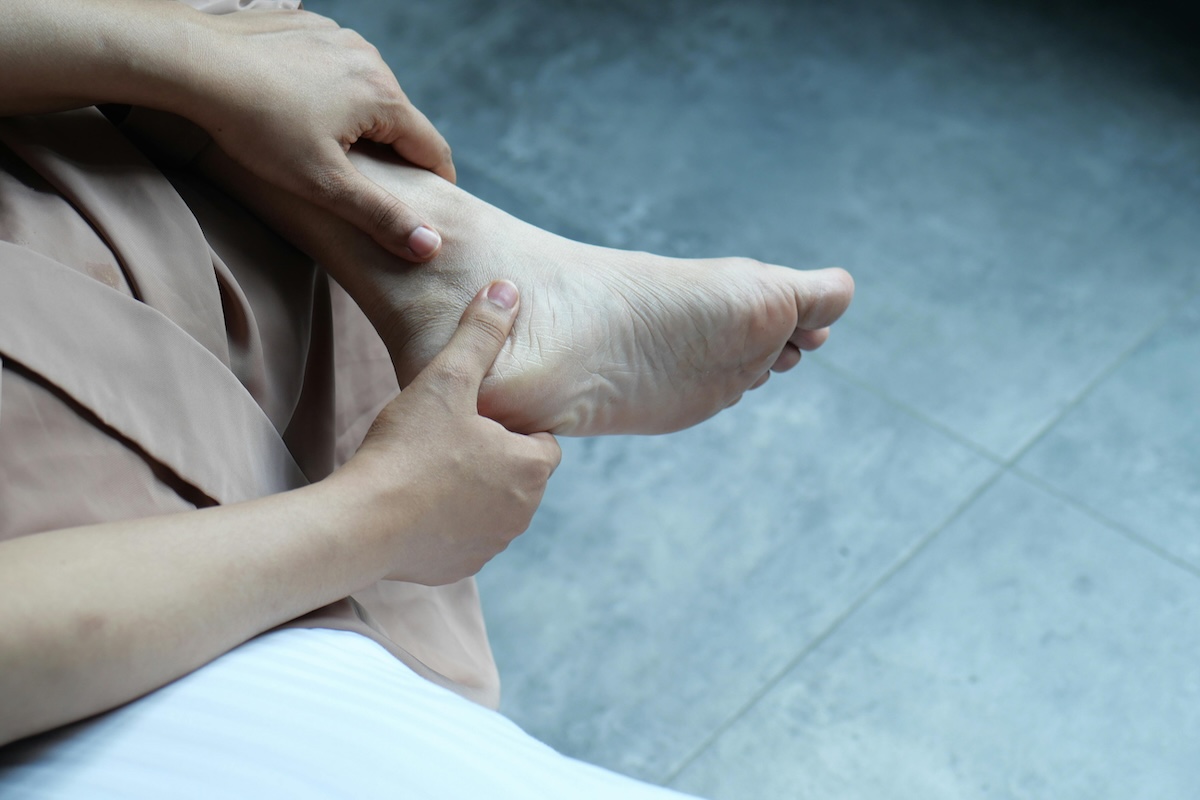
Plantar fasciitis is one of the most common causes of heel pain. It typically presents as pain along the bottom of the foot, especially near the heel, and can significantly affect walking, standing, and athletic activity.
At our Miami clinic, we provide a comprehensive, non-surgical approach to the evaluation and treatment of plantar fasciitis, focused on reducing pain, improving foot mechanics, and restoring function.
What Is Plantar Fasciitis?
The plantar fascia is a thick band of connective tissue that runs along the bottom of the foot, connecting the heel bone to the toes. It helps support the arch and absorb shock during walking.
Plantar fasciitis occurs when this tissue becomes irritated or degenerative often due to repetitive stress. Despite the name, many cases represent a degenerative process rather than purely inflammatory tissue.
What are the Symptoms of Plantar Fasciitis?
Common symptoms include:
- Heel pain, especially with the first steps in the morning
- Pain after prolonged sitting or rest
- Tenderness along the bottom of the heel
- Pain that worsens after activity rather than during
- Stiffness in the foot or calf
Symptoms may persist for months without proper treatment.
What are the Most Common Causes of Plantar Fasciitis?
Plantar fasciitis may develop due to:
- Repetitive stress from running or prolonged standing
- Sudden increase in activity
- Tight calf muscles or Achilles tendon
- Flat feet or high arches
- Improper footwear
- Excess body weight
It often develops gradually rather than after a single injury.
Why a Comprehensive Plantar Fasciitis Evaluation is Essential?
Diagnosis is typically clinical and based on history and physical examination. Evaluation may include:
- Detailed symptom and activity history
- Examination of foot mechanics and calf flexibility
- Assessment of arch structure
- Ultrasound or MRI in select cases to evaluate the plantar fascia and rule out other conditions
Imaging is not required in all cases.
What are the Non-Surgical Treatment Options for Plantar Fasciitis?
Treatment is individualized based on symptom severity, functional limitations, and patient goals.
Physical Therapy and Rehabilitation
Physical therapy may focus on:
- Stretching the plantar fascia and calf muscles
- Strengthening intrinsic foot muscles
- Improving ankle mobility
- Addressing gait mechanics
Programs are individualized to avoid symptom aggravation.
Activity Modification and Footwear Adjustments
Treatment may include:
- Reducing high-impact activities
- Wearing supportive footwear
- Avoiding barefoot walking on hard surfaces
- Temporary use of orthotics when appropriate
These strategies reduce strain on the plantar fascia.
Medication Management
Medications may be used to help manage pain and swelling and may include:
- Anti-inflammatory medications
- Pain-relieving medications when appropriate
Medications are used to support rehabilitation, not replace it.
Image-Guided Injections for Plantar Fasciitis
In cases of persistent symptoms, injections may be considered to help manage pain associated with plantar fasciitis. These procedures are typically performed using image guidance to improve accuracy and safety. Injections can typically be either corticosteroid medication (i.e. cortisone) or orthobiologics (i.e. PRP or stem cells).
Is Regenerative Medicine Helpful for Plantar Fasciitis?
When appropriate, regenerative therapies may help support tissue repair and improve symptoms over the long term. These therapies aim to enhance the body’s own healing processes.
Regenerative treatments may include:
Platelet-Rich Plasma (PRP)
PRP uses concentrated platelets from the patient’s own blood to deliver growth factors that may reduce inflammation and stimulate healing in plantar fasciitis.
Bone Marrow Concentrate containing Stem Cells
These treatments use concentrated cells from your own bone marrow to potentially support tissue healing and improve tissue environment. These procedures are typically considered when conservative options have not provided adequate relief.
Both PRP and cell-based therapies are performed under guided imaging to ensure precise delivery into the affected structures.
When Is Surgery Considered for Plantar Fasciitis?
Surgical intervention may be considered when:
- Symptoms persist for many months despite structured conservative care
- Pain significantly limits daily function
- Other underlying causes have been ruled out
Most patients improve without surgery.
Who Is a Good Candidate for Non-Surgical Plantar Fasciitis Care?
You may be a good candidate for non-surgical care if you:
- Have heel pain consistent with plantar fasciitis
- Do not have severe structural deformity
- Prefer a conservative approach
- Are willing to participate in rehabilitation and footwear modification
Treatment plans are individualized based on symptoms and goals.
Frequently Asked Questions
Will I need surgery for plantar fasciitis?
Surgery for plantar fasciitis depends on the patient, the degree of symptoms, and the response to less invasive treatments. Surgery is often not required even in the case of more advanced plantar fasciitis.
Is regenerative medicine safe?
When performed by trained specialists using your own biologic materials, regenerative procedures are generally considered safe and may support healing processes. These procedures should always be performed with imaging guidance like ultrasound and fluoroscopy to target very specific structures in or around the ankle and foot.
How long does recovery take?
Recovery times vary by condition and treatment. Rehabilitation and regenerative care may take weeks to months for optimal improvement.
Is imaging necessary?
Imaging studies like ultrasound and MRI can be very useful in the plantar fasciitis and to help determine the best plan of care. Imaging can also help rule out other ankle issues like tendon tears and ligament tears.
Schedule an Appointment
If you are experiencing foot and ankle pain or other painful condition and want a comprehensive evaluation and non-surgical treatment plan, we are here to help. Contact our Miami clinic to schedule an appointment.