
Spine pain is one of the most common reasons patients seek medical care, affecting the neck, mid-back, and lower back. Whether related to injury, degeneration, nerve irritation, or muscle strain, spine pain can significantly impact mobility, sleep, productivity, and overall quality of life. At our Miami clinic, we provide a comprehensive, individualized approach to diagnosing and treating spine pain using a full range of non-surgical and interventional treatments.
Our goal is to restore function, reduce discomfort, and help patients return to their normal activities without unnecessary surgery. Keep reading to learn more about the options for spine pain treatment in Miami.
We diagnose and treat conditions involving:
Each spinal region has unique mechanical and anatomical features, so a precise diagnosis is essential for effective care when spine pain does not improve with more conservative care methods.
Patients may experience a range of symptoms, including:
Symptoms may develop gradually or appear suddenly following activity or injury.
Many spine conditions can be successfully managed without surgery. Treatment options may include:
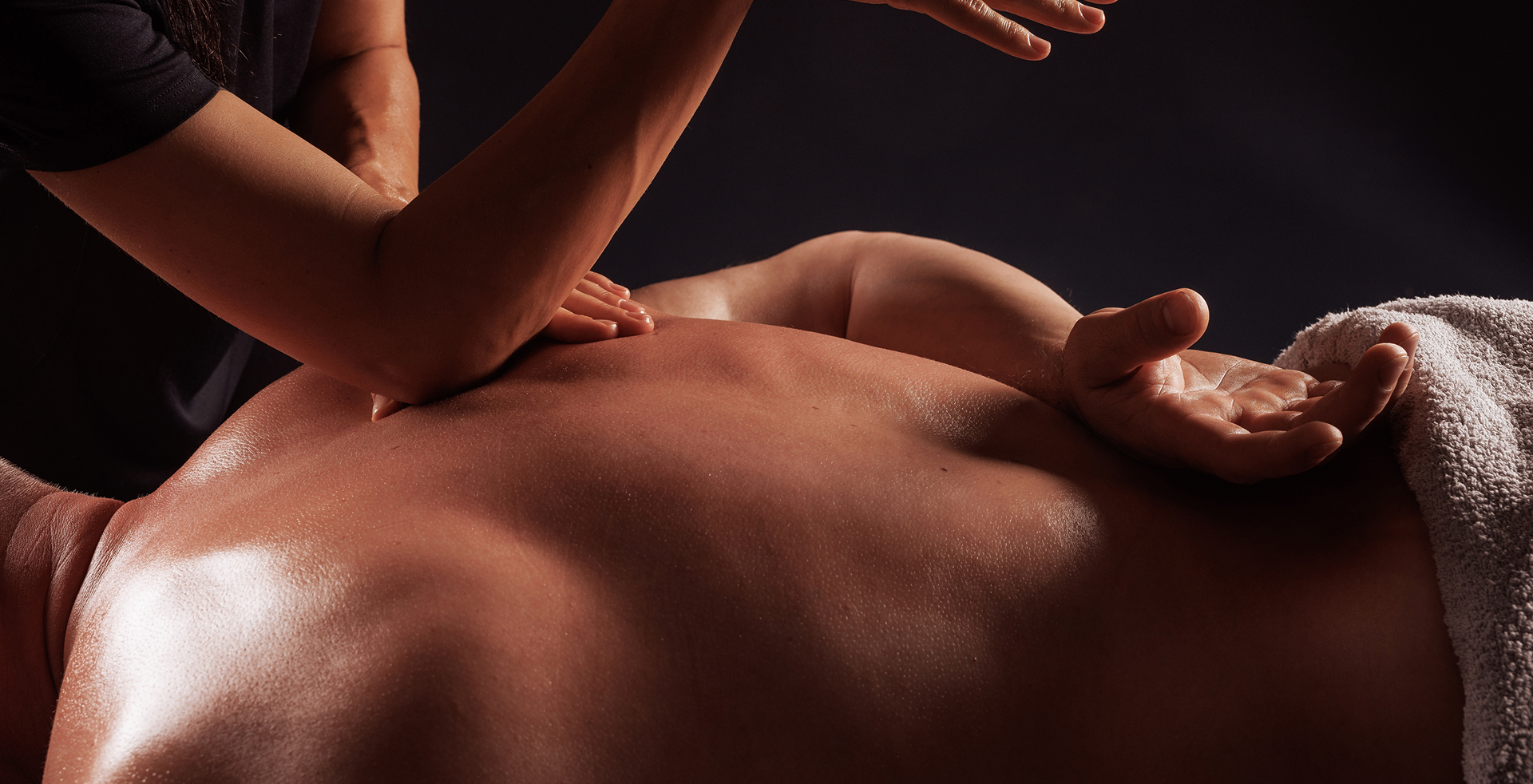
These strategies help restore alignment, reduce strain, and improve long-term spinal stability.
Medications are used strategically and at the lowest effective dose.
These procedures can reduce inflammation, relieve nerve irritation, and support functional improvement.

Spine pain may develop from structural, mechanical, or inflammatory sources, including:
These conditions are frequently seen in active individuals as well as those who spend long hours sitting or working in static positions.
Accurate diagnosis is the foundation of an effective treatment plan. A comprehensive evaluation may include:
Medical history and symptom review
Physical examination and neurologic testing
Diagnostic ultrasound (when appropriate)
Review of
previous imaging
Ordering X-ray, MRI, or CT imaging when clinically indicated
Assessment of posture, movement, and functional limitations
Identifying the exact source of pain allows for targeted treatment and more predictable outcomes.
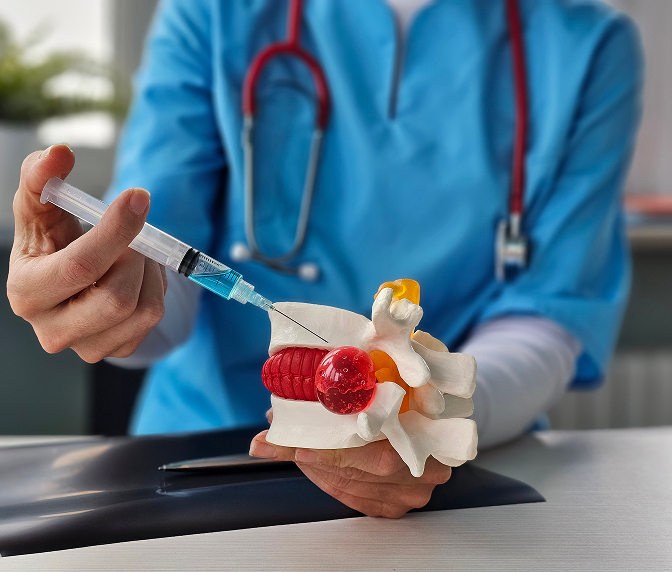
When appropriate, regenerative treatments may be added to support tissue healing rather than simply providing temporary symptom relief. These may include:
These interventions aim to enhance the body’s natural ability to repair tissue, including discs, ligaments, tendons, and joints. These treatments should be performed by trained specialists with expertise in targeting the specific structures of the spine.
| Treatment Type | Main Purpose | Expected Duration of Relief | Invasiveness |
|---|---|---|---|
| Physical Therapy | Improve mobility, posture, and strength | Long-term with compliance | Non-invasive |
| Medications | Reduce pain or inflammation | Short-term | Non-invasive |
| Steroid Injections | Reduce inflammation and nerve irritation | Weeks to months | Minimally invasive |
| Regenerative Medicine (e.g., PRP) | Support tissue healing | Long-term | Minimally invasive |
| Surgery | Correct structural issues | Permanent | Highly Invasive |
Most patients benefit from a layered approach that incorporates rehabilitation, activity modification, and targeted interventions.

You may be a good candidate for non-surgical spine treatment if you:
Each treatment plan is customized based on the patient’s goals, imaging findings, and functional needs.

Miami residents are highly active, and repetitive lifting, rotational sports, running, and gym-based training can place added stress on the spine. Treatment for active adults focuses on:
We aim to keep patients active while managing their condition safely.
Severe pain, persistent symptoms, weakness, numbness, or changes in bowel or bladder control warrant immediate medical attention.
No. The majority of spine pain cases improve with non-surgical treatments such as physical therapy, medications, injections, and regenerative options.
Imaging studies like X-ray and MRI are ordered when it will meaningfully influence diagnosis or treatment planning. Imaging studies are not always necessary, and not always covered by insurance, when treating spine pain.
Recovery varies depending on the cause of pain, adherence to therapy, and overall health. Many patients experience improvement over several weeks to months.
If you are experiencing spine pain and want a comprehensive evaluation and non-surgical treatment plan, we are here to help. Contact our Miami clinic to schedule an appointment.
CONTACT US