
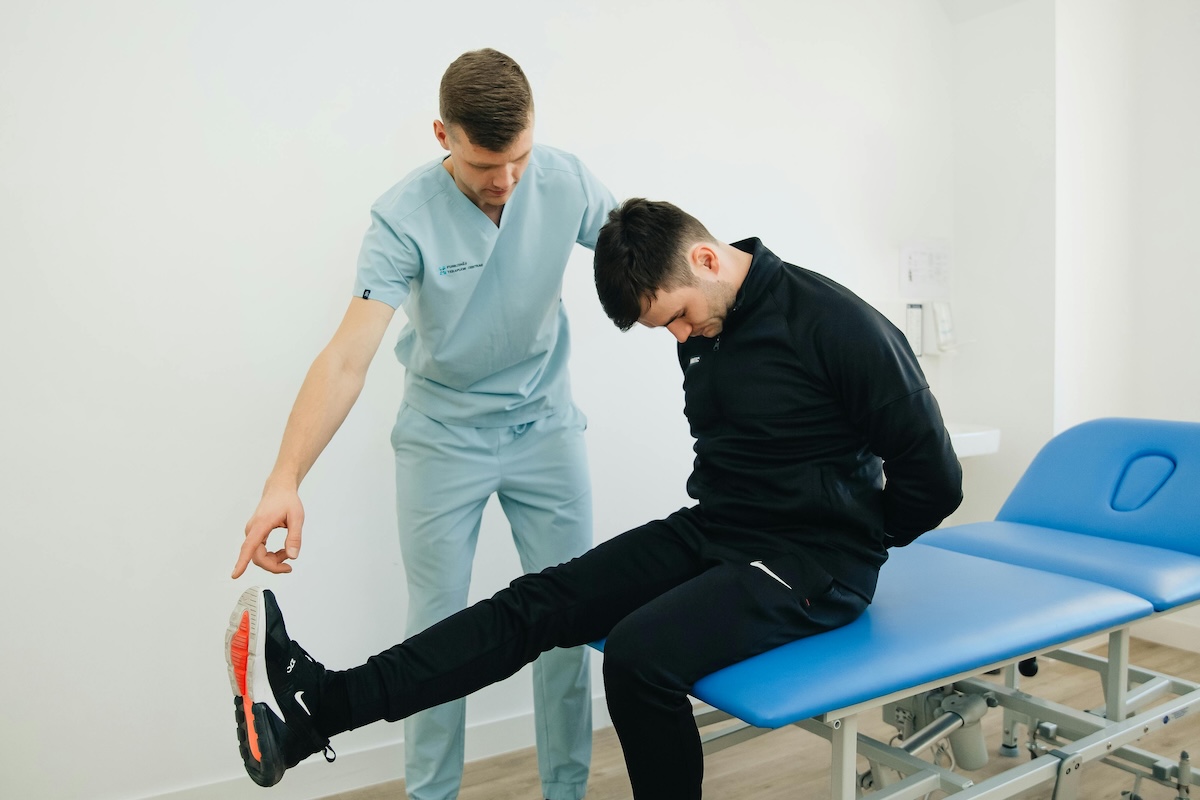
Sciatica is one of the most common reasons people seek care for back and leg pain. Despite how frequently the term is used, sciatica is often misunderstood, which can lead to delayed diagnosis or ineffective treatment.
If you’re experiencing radiating leg pain, numbness, or tingling, here are five important things you need to know about sciatica.
1. Sciatica Is a Symptom, Not a Diagnosis
Sciatica is not a diagnosis. It describes a pattern of symptoms caused by irritation or compression of the sciatic nerve or the nerve roots that form it.
Common underlying causes include:
- Disc herniation
- Bulging discs
- Degenerative disc disease
- Spinal stenosis
- Spondylolisthesis
Effective treatment depends on identifying what is actually causing the nerve irritation, not just treating the pain itself.
2. Sciatica Often Causes More Leg Pain Than Back Pain
Although sciatica often originates in the lumbar spine, many patients notice that leg pain is more prominent than back pain.
Common symptoms include:
- Pain radiating from the buttock into the leg
- Pain traveling down the back or side of the thigh and calf
- Burning, sharp, or electric-like sensations
- Numbness or tingling in the leg or foot
The specific pain pattern often provides important clues about which nerve root is involved.
3. MRI Findings Must Match Symptoms to Be Meaningful
MRI is an important tool when evaluating sciatica, but imaging findings alone do not tell the full story. Many people have disc bulges or degenerative changes on MRI without symptoms.
A proper evaluation focuses on:
- Matching imaging findings to the pain pattern
- Identifying the specific nerve root involved
- Determining whether the MRI abnormality explains the symptoms
Treatment decisions should always be based on clinical correlation, not imaging alone.
4. Stretching Is Not Always the Solution
While stretching is commonly recommended for back and leg pain, it is not always helpful for sciatica and may sometimes worsen symptoms. Sciatic pain is often caused by nerve irritation or compression, not tight muscles. Aggressive stretching—particularly hamstring or nerve-tension stretches—can increase nerve sensitivity and exacerbate pain in some individuals. Yes, the muscles are tight and in spasm, but that is not the issue. The issue comes from deeper within the spine and avoiding stretching can sometimes be a helpful tip for a patient who has been struggling with sciatica for an extended period of time.
Effective treatment depends on identifying whether symptoms are driven by nerve compression, inflammation, or mechanical factors. In many cases, targeted strengthening, movement modification, and nerve-specific treatment strategies are more appropriate than generalized stretching.
5. Most Cases of Sciatica Improve Without Surgery
The majority of patients with sciatica improve with non-surgical treatment. Surgery is typically reserved for cases involving progressive neurologic deficits or pain that does not respond to comprehensive conservative care.
Non-surgical treatment options may include:
- Physical therapy focused on movement and symptom reduction
- Activity modification
- Medications for symptom control
- Image-guided injections in select cases
Remaining active within pain limits is usually encouraged, as prolonged rest is rarely beneficial.
When to Seek Evaluation for Sciatica
You should consider a medical evaluation if:
- Severe pain
- Pain that persists for more than a few weeks
- Symptoms are worsening
- You experience numbness, tingling, or weakness
- Pain interferes with walking, sitting, or daily activities
Early evaluation can help guide appropriate treatment and prevent unnecessary progression.
Final Thoughts
Sciatica is common, but it is not something you have to simply live with. Understanding the underlying cause of symptoms—and avoiding one-size-fits-all solutions—can lead to more effective, long-term improvement.
Schedule a Consultation
If you suffer from sciatica and want to avoid surgery, Dr. Bonner may be able to help you!
👉 Schedule a consultation with Dr. Bonner in Miami to see if you can avoid surgery.