
Bulging discs are a common cause of neck and low back pain and are frequently identified on MRI. A bulging disc occurs when the outer portion of an intervertebral disc extends beyond its normal boundary without a full tear of the disc wall. While many bulging discs are asymptomatic, some can contribute to pain, stiffness, and nerve irritation. Many bulging discs are identified on imaging studies like MRI and CT that have no significance for how a person feels.
At our Miami clinic, we provide a comprehensive, non-surgical approach to bulging disc treatment focused on accurate diagnosis, symptom relief, restoring function, and avoiding unnecessary surgery whenever possible.
Intervertebral discs sit between the bones of the spine and help regulate motion at each spinal segment. Each disc consists of:
A bulging disc occurs when the annulus fibrosus weakens and the disc extends outward in a broad, uniform manner. This differs from a herniated disc, in which the inner disc material protrudes through a tear in the disc wall.
Bulging discs most commonly affect the lumbar (low back) and cervical (neck) spine.
Symptoms depend on disc location, degree of bulging, and whether nearby nerves are irritated. Common symptoms include:
Many bulging discs do not cause symptoms and are found incidentally on imaging.

Bulging discs may develop due to:
Disc bulging is often part of a broader degenerative process rather than an isolated injury.
Diagnosis involves correlating symptoms with physical examination findings and imaging results. Evaluation typically includes:
Detailed history and symptom assessment
Physical examination focusing on neurologic function and movement patterns
Review of prior imaging
MRI of the spine when clinically indicated
Importantly, the presence of a bulging disc on MRI does not always explain pain. Clinical correlation is essential.
Most patients with symptomatic bulging discs improve with conservative care. Also, many disc bulges are asymptomatic!
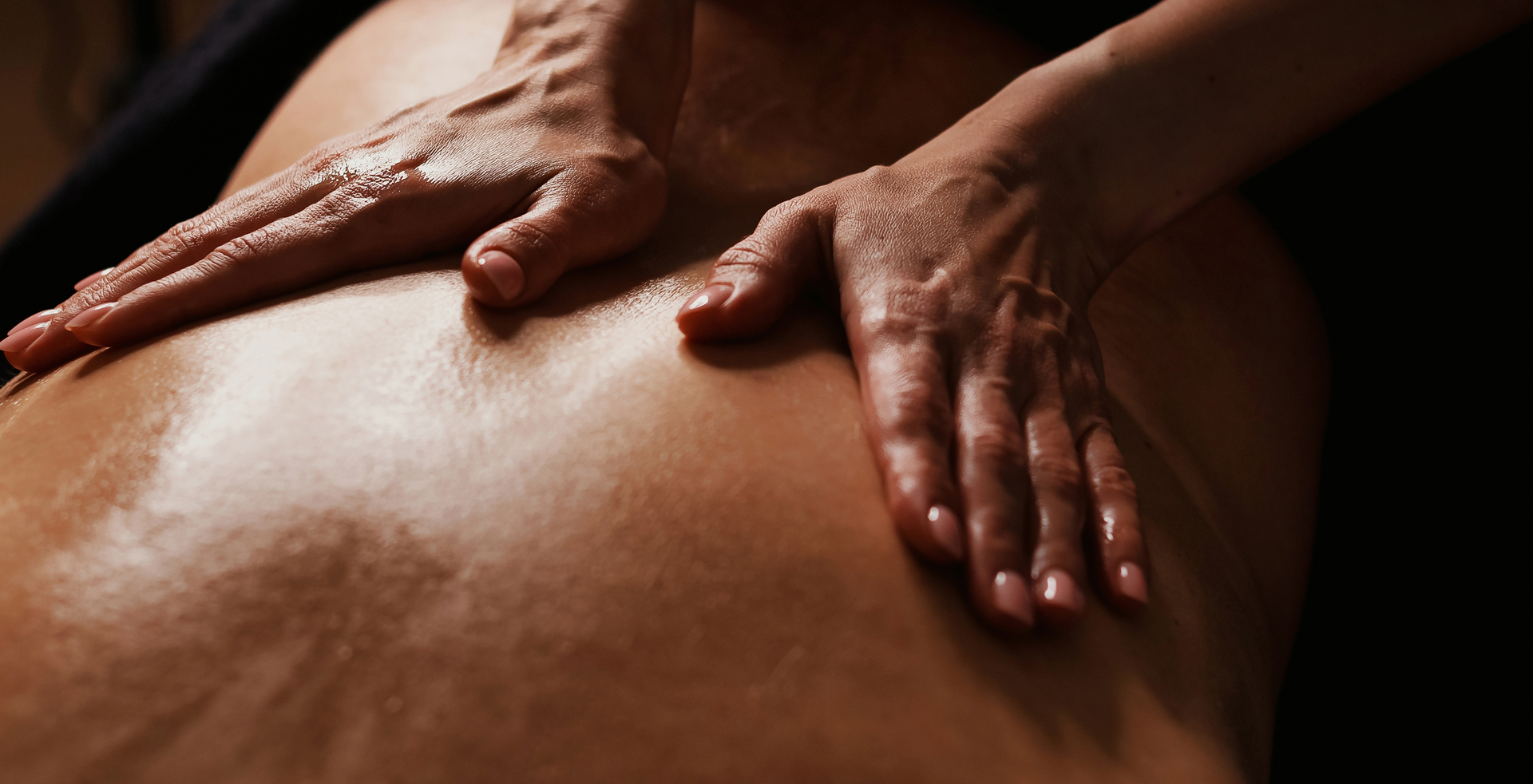
Physical therapy is often the foundation of treatment and may include:
Remaining active within pain limits is encouraged, as prolonged rest is not recommended.
Medications are used strategically and at the lowest effective dose.
In select patients with symptomatic bulging discs causing nerve irritation or radiculopathy, image-guided injections can provide meaningful relief and support rehabilitation. Options include:
All injections are performed under fluoroscopic or ultrasound guidance. Dr. Bonner does not perform blind injections.
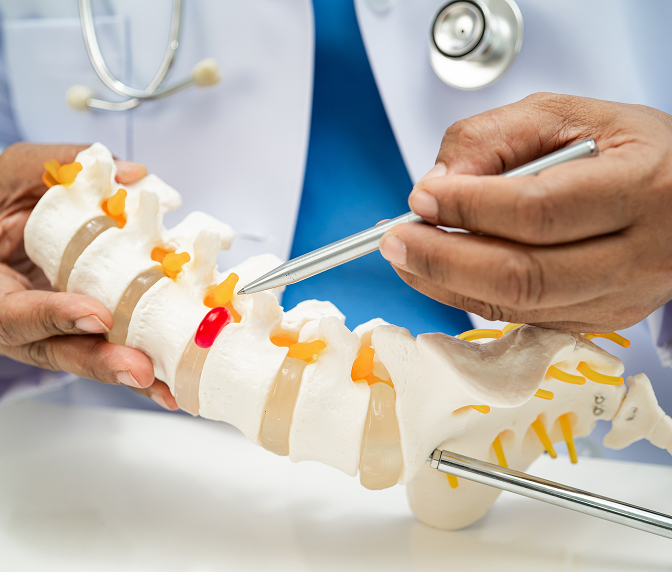
For patients with bulging discs associated with underlying disc degeneration — particularly those with discogenic pain, annular tears, or Modic endplate changes on MRI — regenerative medicine offers a biologically targeted approach that goes beyond symptom management.
PRP concentrates growth factors from your own blood and can be used in two ways for disc-related pain. Periannular PRP injection delivers growth factors around the outer disc wall to reduce inflammation and support annular healing. In appropriately selected patients, intradiscal PRP delivers growth factors directly into the nucleus pulposus to address the disc’s biological environment. PRP is most appropriate for patients with early to moderate disc degeneration and discogenic pain that has not responded to conservative care.
For patients with more significant disc degeneration, BMAC adds mesenchymal stem cells to the growth factor payload. Intradiscal BMAC — delivered directly into the nucleus pulposus under fluoroscopic guidance — is the most advanced non-surgical biological intervention currently available for degenerative disc disease. It is performed only in carefully selected patients and requires specialized training and strict sterile technique.
As a credentialed Regenexx network provider, Dr. Bonner follows evidence-based protocols for all regenerative spine procedures. Patient selection is rigorous — these treatments are not appropriate for every patient with a bulging disc, and Dr. Bonner will give you an honest assessment of whether regenerative treatment is realistic for your specific situation.
Also see: BMAC for Degenerative Disc Disease
| Treatment Type | Main Purpose | Expected Duration of Relief | Invasiveness |
|---|---|---|---|
| Physical Therapy | Improve mobility, posture, and strength | Long-term with compliance | Non-invasive |
| Medications | Reduce pain or inflammation | Short-term | Non-invasive |
| Steroid Injections | Reduce inflammation and nerve irritation | Weeks to months | Minimally invasive |
| Regenerative Medicine (e.g., PRP) | Support tissue healing | Long-term | Minimally invasive |
| Surgery | Correct structural issues | Permanent | Highly Invasive |
Most patients benefit from a layered approach that incorporates rehabilitation, activity modification, and targeted interventions.

You may be a good candidate if you:
Treatment plans are individualized to each patient.
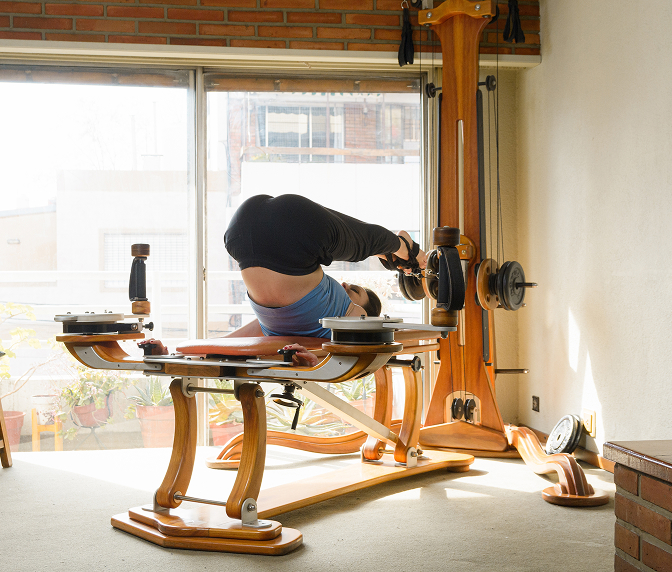
Miami residents are highly active, and repetitive lifting, rotational sports, running, and gym-based training can place added stress on the spine. Treatment for active adults focuses on:
We aim to keep patients active while managing their condition safely.
Severe pain, persistent symptoms, weakness, numbness, or changes in bowel or bladder control warrant immediate medical attention.
No. The majority of bulging disc cases improve with non-surgical treatments such as physical therapy, medications, injections, and regenerative options.
Imaging studies like X-ray and MRI are ordered when it will meaningfully influence diagnosis or treatment planning. Imaging studies are not always necessary, and not always covered by insurance, when treating spine pain. Many times, bulging discs will be present but will not be the source of the patient’s symptoms. Other conditions can often play a larger role in causing symptoms.
Recovery varies depending on the cause of pain, adherence to therapy, and overall health. Many patients experience improvement over several weeks to months.
A bulging disc occurs when the outer disc wall weakens and the disc extends outward broadly without tearing — think of it like a burger patty extending beyond the bun. A herniated disc involves a more focal protrusion where the inner disc material pushes through a tear in the outer wall. Herniated discs are more likely to cause nerve root compression and radicular symptoms such as sciatica. Many bulging discs are asymptomatic and found incidentally on MRI — the imaging finding alone does not determine whether treatment is needed.
Regenerative treatments including PRP and BMAC are not designed to physically “push” a bulging disc back into place. Rather, they target the underlying disc biology — reducing inflammation within the disc, supporting disc cell survival, and modifying the degenerative environment that drives ongoing disc pathology. In carefully selected patients with discogenic pain and underlying disc degeneration, these treatments can produce meaningful and durable pain reduction. Dr. Bonner will review your MRI and clinical picture at consultation to determine whether you are an appropriate candidate.
If you are experiencing a bulging disc and want a comprehensive evaluation and non-surgical treatment plan, we are here to help. Contact our Miami clinic to schedule an appointment.
CONTACT US