
Sciatica Treatment in Miami
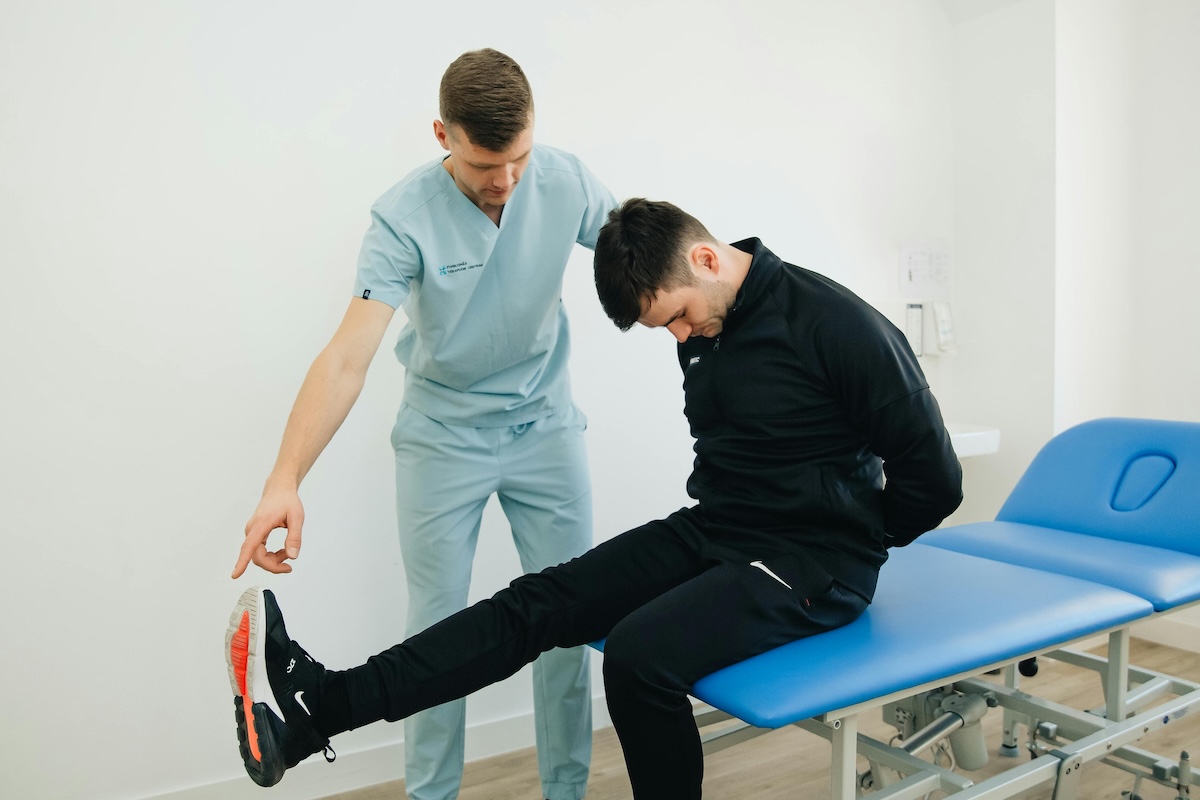
Sciatica is term that describes low back pain that radiates into the leg. This pain occurs when the sciatic nerve or its contributing nerve roots are irritated or compressed. It may be accompanied by numbness, tingling, or weakness in the leg. Sciatica can have many different causes, but it is most commonly the result of a pinched nerve in the lumbar spine.
At our Miami clinic, we provide a comprehensive, non-surgical approach to sciatica treatment focused on identifying the underlying cause, relieving symptoms, restoring function, and avoiding unnecessary surgery whenever possible.
What is Sciatica?
Sciatica is a symptom pattern, not a diagnosis. It refers to pain and neurologic symptoms that travel along the path of the sciatic nerve, which originates from the lower lumbar spine and travels through the buttock and down the leg.
Sciatica most commonly results from irritation or compression of spinal nerve roots in the lumbar spine and may be associated with several underlying conditions.
What are Common Symptoms of Sciatica?
Symptoms of sciatica may vary depending on the affected nerve root and severity of irritation. Common symptoms include:
- Pain radiating from the low back or buttock into the leg
- Pain traveling down the back or side of the thigh and calf
- Burning, sharp, or electric-like pain
- Numbness or tingling in the leg or foot
- Muscle weakness in the leg or foot
- Symptoms worsened by sitting, bending, or prolonged standing
Symptoms may affect one leg or, less commonly, both legs.
What are Common Causes of Sciatica?
Sciatica may be caused by a variety of spinal conditions, including:
- Disc herniation
- Bulging discs
- Degenerative disc disease
- Spinal stenosis
- Spondylolisthesis
- Facet joint or ligament-related narrowing
- Inflammation around nerve roots
Identifying the specific cause of nerve irritation is essential for effective treatment.
Why is a Comprehensive Sciatica Evaluation Essential?
Accurate diagnosis begins with a thorough clinical evaluation. This typically includes:
- Detailed medical history and symptom assessment
- Physical examination focusing on neurologic function and movement patterns
- Assessment of posture, gait, and spinal mechanics
- Review of prior imaging
- MRI of the lumbar spine when clinically indicated
Imaging findings are always correlated with symptoms, as not all abnormalities cause pain.
What are Non-Surgical Options for Sciatica Treatment in Miami?
Most patients with sciatica improve with conservative care.
Physical Therapy and Rehabilitation
Physical therapy is often a foundational component of treatment and may focus on:
- Reducing nerve irritation
- Improving spinal mobility
- Strengthening/stabilizing core and hip musculature
- Correcting movement patterns and posture
Remaining active within pain limits is encouraged, as prolonged rest is generally not recommended.
Medication Management
- Anti-inflammatory medications
- Short courses of muscle relaxants
- Neuropathic pain medications for nerve-related symptoms
Medications are used strategically and at the lowest effective dose.
Image-Guided Injections
In select cases, injections may be considered to reduce inflammation around affected nerve roots:
- Epidural steroid injections, also referred to as nerve blocks
These procedures are typically performed using image guidance to improve accuracy and safety and are not intended as long-term standalone solutions.
Are there Regenerative Medicine Options for Sciatica?
In certain situations, biologic therapies such as platelet-rich plasma (PRP) may be discussed as part of a broader non-surgical treatment plan. These treatments are intended to support tissue health and reduce inflammation rather than reverse structural causes of nerve compression.
Appropriate patient selection is critical and based on symptoms, imaging findings, and treatment goals.
Comparing Treatment Options for Sciatica
| Treatment Type | Main Purpose | Expected Duration of Relief | Invasiveness |
|---|---|---|---|
| Physical Therapy | Improve mobility, posture, and strength | Long-term with compliance | Non-invasive |
| Medications | Reduce pain or inflammation | Short-term | Non-invasive |
| Steroid Injections | Reduce inflammation and nerve irritation | Weeks to months | Minimally invasive |
| Regenerative Medicine (e.g., PRP) | Support tissue healing | Long-term | Minimally invasive |
| Surgery | Correct structural issues | Permanent | Highly Invasive |
Most patients benefit from a layered approach that incorporates rehabilitation, activity modification, and targeted interventions.
Who Is a Good Candidate for Non-Surgical Sciatica Care?
You may be a good candidate if you:
- Have leg pain consistent with sciatica
- Do not have progressive neurologic deficits
- Prefer a non-surgical approach
- Are willing to participate in rehabilitation
Treatment plans are individualized based on the underlying cause of symptoms.
Sciatica in Active Adults and Athletes in Miami
Miami residents are highly active, and repetitive lifting, rotational sports, running, and gym-based training can place added stress on the spine. Treatment for active adults focuses on:
- Restoring proper movement patterns
- Improving core and hip stability
- Preventing re-injury
- Supporting long-term spinal health
We aim to keep patients active while managing their condition safely.
Frequently Asked Questions
How do I know if my sciatica requires medical evaluation?
Severe pain, persistent symptoms, weakness, numbness, or changes in bowel or bladder control warrant immediate medical attention.
Do most cases of sciatica require surgery?
No. The majority of sciatica cases improve with non-surgical treatments such as physical therapy, medications, injections, and regenerative options. Additionally, patience is paramount when treating sciatica.
Will I need imaging?
Imaging studies like X-ray and MRI are ordered when it will meaningfully influence diagnosis or treatment planning. Imaging studies are not always necessary, and not always covered by insurance, when treating spine pain. Imaging studies can help correlate findings with a cause of sciatica symptoms. Other conditions can often play a larger role in causing symptoms.
How long does recovery take?
Recovery varies depending on the cause of pain, adherence to therapy, and overall health. Many patients experience improvement over several weeks to months.
Schedule an Appointment
If you are experiencing sciatica and want a comprehensive evaluation and non-surgical treatment plan, we are here to help. Contact our Miami clinic to schedule an appointment.