
PRP for Shoulder Pain in Miami
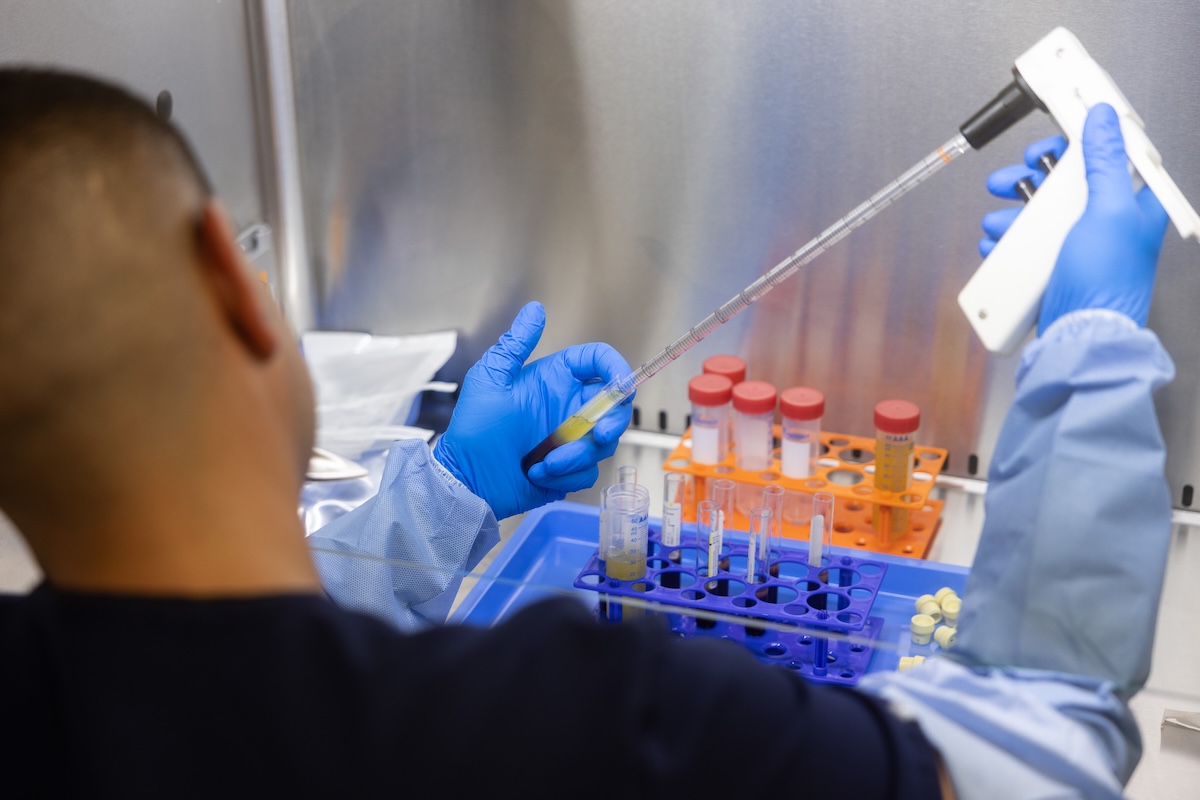
Shoulder pain can result from a variety of conditions — rotator cuff damage, labral tears, osteoarthritis, or bursitis — and can severely limit overhead activity, sports, and daily tasks. Platelet-rich plasma (PRP) therapy offers a non-surgical approach to promoting healing and reducing pain in these structures, using your body’s own biology to support the repair process.
At our Miami clinic, Dr. William Bonner — part of the Regenexx network — performs image-guided PRP injections for shoulder pain, targeting the specific structures contributing to each patient’s symptoms with precision and care.
Shoulder Conditions Treated with PRP
PRP therapy may benefit a variety of shoulder conditions, including:
- Rotator cuff tendinopathy and partial tears
- Shoulder osteoarthritis (glenohumeral joint)
- Shoulder labral tears (SLAP and Bankart lesions)
- Shoulder bursitis (subacromial)
- Biceps tendon injuries
- AC joint arthritis and injuries
Because shoulder pain often involves multiple structures simultaneously, a thorough evaluation — including imaging review and possibly ultrasound assessment — is essential to identify the primary pain generator and tailor the PRP injection accordingly.
How Does PRP Work for Shoulder Conditions?
Once injected under ultrasound guidance into the damaged rotator cuff, joint, or bursa, the concentrated growth factors in PRP work to:
- Stimulate tendon and ligament healing in the rotator cuff
- Reduce chronic inflammation in the subacromial space
- Support cartilage preservation in arthritic shoulders
- Promote repair of partial labral tears
Because every injection is performed under real-time imaging, Dr. Bonner can confirm accurate placement into the target tissue — a key factor in treatment success.
PRP vs. Cortisone Injections: What’s the Difference?
Cortisone (corticosteroid) injections have been used for decades to reduce joint inflammation and pain. While they can provide effective short-term relief, research has shown that repeated cortisone injections may actually accelerate cartilage breakdown over time. PRP takes a fundamentally different approach:
| Cortisone Injection | PRP Therapy | |
| Mechanism | Suppresses inflammation | Promotes healing and tissue repair |
| Source | Synthetic steroid | Your own blood platelets |
| Duration of Relief | Weeks to a few months | Months to over a year in many cases |
| Effect on Tissue | May accelerate cartilage loss with repeated use | Supports tissue repair and regeneration |
| Repeat Treatments | Limited due to tissue damage risk | Can be repeated safely as needed |
| Best For | Acute flare-ups needing quick relief | Chronic conditions, tendon injuries, early to moderate arthritis |
Dr. Bonner will discuss whether PRP, cortisone, or another approach is most appropriate for your specific condition and treatment goals.
What to Expect from PRP Treatment for Shoulder Pain
PRP therapy for the shoulder is performed in our Miami clinic and is a same-day procedure – meaning your blood is drawn, processed, and reinjected all on the same day. Most patients experience mild soreness at the injection site for a few days following the procedure. The full therapeutic response to PRP develops gradually over 6–12 weeks as the growth factors stimulate tissue repair.
Some patients with shoulder pain require a series of PRP injections to achieve optimal results. Dr. Bonner will outline a personalized treatment plan at your consultation based on the severity of your condition and your response to initial treatment.
Am I a Good Candidate for PRP for Shoulder Pain?
You may be a good candidate for PRP if you:
- Have chronic shoulder pain lasting more than 3 months
- Have been diagnosed with shoulder arthritis, rotator cuff tear, or shoulder labral tear
- Have not achieved lasting relief from physical therapy, steroid injections, or other interventional procedures
- Want to avoid surgery or delay surgical intervention
- Prefer a treatment that uses your own biology rather than synthetic medications
PRP may not be appropriate for patients with active infection, certain blood disorders, or those on specific anticoagulant medications. Dr. Bonner will review your full medical history to confirm candidacy.
Why Choose a Regenexx Provider for PRP Therapy?
Not all PRP is created equal. The quality of your PRP treatment depends heavily on how the platelets are processed and how precisely they are delivered. As a Regenexx provider, Dr. Bonner offers several important advantages:
- Advanced lab processing that produces higher platelet concentrations and customizable PRP formulations based on your specific condition
- Every injection performed under real-time image guidance (ultrasound and/or fluoroscopy) — never “blind” injections
- Extensive outcome tracking through the Regenexx patient registry, the largest in regenerative orthopedics
- A physician network specializing exclusively in interventional orthopedics — not a general practice offering PRP as an add-on service
- Evidence-based protocols refined through over a decade of clinical use and published research
Recovery After PRP Treatment
PRP therapy is an outpatient procedure and all patients go home the same day. Recovery is generally straightforward, but it’s important to understand that PRP works by stimulating a healing response — so some temporary soreness or pain in the treated area is normal and expected. General recovery guidelines include:
- Mild soreness or swelling at the injection site for 2–5 days is common
- Most patients can resume light daily activities within 1–2 days
- A post-procedure rehabilitation protocol is provided to optimize your recovery
- Avoid NSAIDs (ibuprofen, naproxen, etc.) for a specified period after treatment, as these can interfere with the platelet-mediated healing process
- Initial improvement is often noticed within 4–6 weeks, with continued progress over 2–3 months
- Some conditions may benefit from multiple PRP treatments, but this is determined on an individualized basis
Frequently Asked Questions
Can PRP heal a shoulder rotator cuff tear?
PRP is most effective for partial rotator cuff tears and tendinopathy. Bone marrow concentrate stem cell injections are likely a better option for larger rotator cuff tears. Full-thickness, complete rotator cuff tears typically require surgical repair, but PRP may be used to reduce pain and inflammation in patients who are not surgical candidates or prefer to delay surgery.
How many PRP injection will I need for my shoulder pain?
Most patients receive 1–3 injections over a treatment course, depending on the diagnosis and response to initial treatment. Dr. Bonner will outline a personalized plan at your consultation.
How is shoulder PRP different from a cortisone injection?
Cortisone suppresses inflammation temporarily. PRP uses your own growth factors to support the actual repair of damaged tissue — making it a fundamentally different biological approach with the potential for more durable benefit.
Will I need to rest my shoulder after a PRP injection?
A brief period of activity modification is typically recommended following PRP injection to allow the growth factors to work effectively. Dr. Bonner will provide specific post-procedure guidance tailored to your treatment.
Schedule a Consultation
If you are dealing with shoulder pain and want to explore whether PRP therapy is right for you, we are here to help.
Contact our Miami clinic to schedule an appointment with Dr. Bonner, or book online through ZocDoc for available appointment times (if you do not see availability, please reach out to us directly at 786-522-4959).