
BMAC Stem Cell Therapy for Hip Pain and Osteoarthritis in Miami
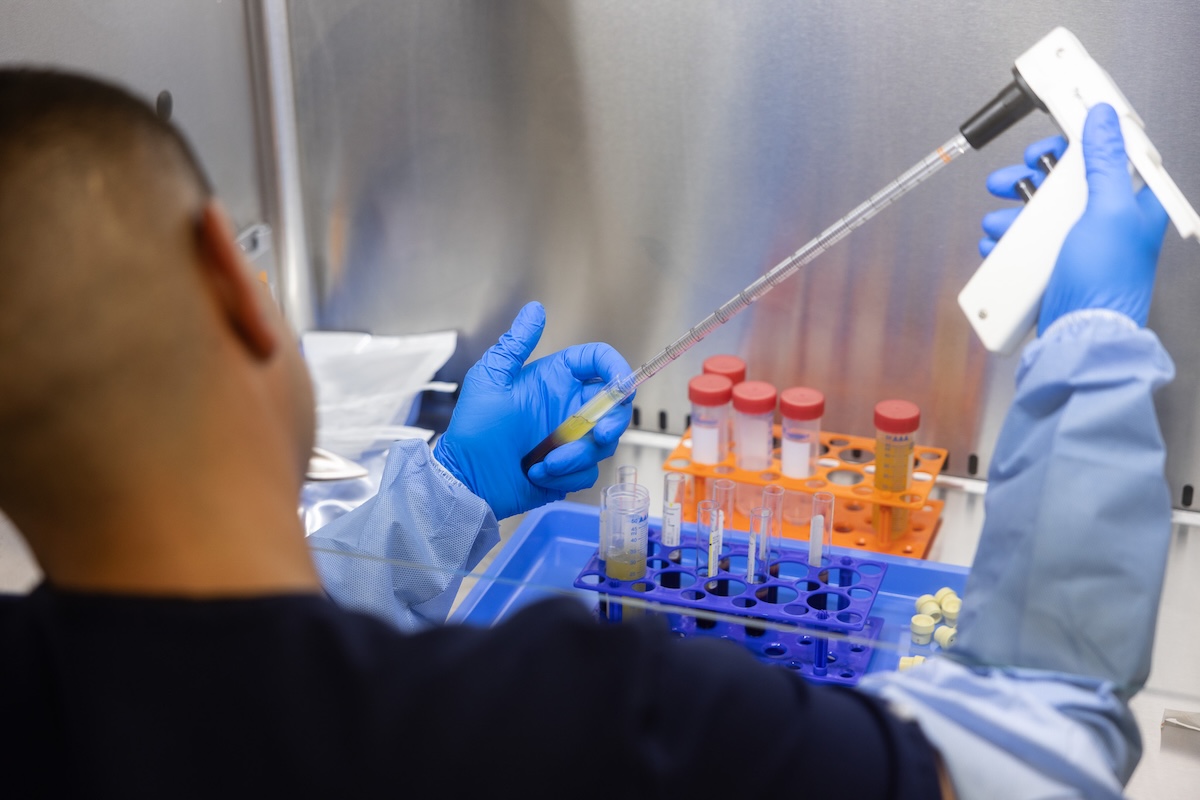
Hip osteoarthritis can limit nearly every aspect of daily life — walking, climbing stairs, sleeping, and staying active. While hip replacement remains the standard treatment for end-stage disease, bone marrow aspirate concentrate (BMAC) stem cell therapy offers a compelling non-surgical option for patients with mild to advanced hip OA who want to preserve their natural joint and delay or avoid surgery.
Dr. William Bonner is a credentialed Regenexx network provider in Miami — part of the world’s most advanced regenerative orthopedics organization. Every BMAC procedure is performed under image guidance using Regenexx proprietary processing protocols.
Why BMAC for Hip Osteoarthritis?
The hip joint’s articular cartilage, once lost, cannot regenerate on its own. BMAC is a regenerative medicine tool that targets the joint at the cellular level, delivering:
- Mesenchymal stem cells — which modulate the chronic inflammatory environment and support cartilage matrix maintenance
- Growth factors including TGF-β and BMP-2 — which support chondrocyte survival and cartilage matrix synthesis
- Anti-inflammatory cytokines — which suppress the synovial inflammation driving progressive pain and degeneration
BMAC vs. Other Hip Pain Treatments
| Treatment | Mechanism | Duration of Benefit | Best For |
| Physical Therapy | Strengthen hip and surrounding musculature | Long-term with compliance | All stages |
| Corticosteroid Injection | Reduce acute inflammation | Weeks to months | Acute flares |
| PRP Therapy | Growth factors support healing and reduce inflammation | Months to 1+ year | Mild-moderate OA |
| BMAC Stem Cell Therapy | MSCs + growth factors support repair and reduce inflammation | 1–3 years in many patients | Moderate to advanced OA |
| Hip Replacement | Replace damaged joint surfaces | Permanent | End-stage OA only |
BMAC vs. PRP for Hip Osteoarthritis
PRP therapy is an excellent first-line regenerative option for mild to moderate hip OA. BMAC is preferred for more advanced cartilage loss, bone marrow lesions in the femoral head, or when PRP has produced only partial improvement. The two can be combined in a single treatment session.
Why a Regenexx Provider Makes a Difference
Many clinics in Miami advertise ‘stem cell therapy’ using amniotic or umbilical cord products that independent research has shown to contain no viable living stem cells. As a credentialed Regenexx network provider, Dr. Bonner uses your own living bone marrow stem cells — harvested and processed the same day — under strict evidence-based protocols backed by the largest regenerative orthopedics outcome registry in the world. Regenexx is the only organization with this combination of proprietary lab processing, published clinical research, and rigorous provider credentialing.
Who Is a Good Candidate?
- Mild, moderate, or advanced hip osteoarthritis confirmed on X-ray or MRI
- Significant cartilage loss, bone marrow lesions, or bone-on-bone changes
- Inadequate lasting relief from PRP, cortisone, or hyaluronic acid
- Desire to avoid or significantly delay total hip replacement
- Active adults seeking to maintain function and quality of life
- Patients told ‘you’re not bad enough for surgery yet’ who want a meaningful non-surgical option
Intraosseous BMAC Injection for Hip Osteoarthritis — Targeting the Subchondral Bone
Most regenerative medicine clinics offering stem cell therapy for hip osteoarthritis perform a single intraarticular injection — delivering BMAC into the joint space itself. While this addresses cartilage loss and synovial inflammation, it misses a critical component of hip OA pathology: the subchondral bone.
The subchondral bone — the dense bony layer immediately beneath the articular cartilage — is increasingly recognized as central to the pain and progression of osteoarthritis. Bone marrow lesions within the femoral head and acetabulum are among the most important MRI findings in hip OA, associated with both pain intensity and ongoing cartilage deterioration. Standard intraarticular injection does not reach this tissue.
The foundational work of Dr. Philippe Hernigou, whose research on bone marrow concentrate and subchondral bone pathology spans more than two decades, has demonstrated that delivering stem cells directly into the subchondral bone — not just the joint space — produces superior outcomes in patients with significant bone involvement. His landmark research on cell therapy for hip osteonecrosis with autologous bone marrow grafting established the biological rationale for intraosseous delivery of bone marrow stem cells to the femoral head. His subsequent work on mesenchymal stem cell therapy for bone repair across 908 hips — one of the largest datasets in the field — further demonstrates the impact of stem cell count, disease stage, and delivery technique on outcomes.
Supporting this approach, a 2025 case series published in Cureus — Intraosseous Bone Marrow Concentrate for Hip Osteoarthritis — specifically examined intraosseous BMAC delivery under fluoroscopic guidance for hip OA patients and documented meaningful improvements in pain and function, concluding that IO delivery may provide more durable relief than intraarticular injection alone by targeting the subchondral bone pathology at the source.
Most recently, Dr. Hernigou his 15 year study on intraosseous BMAC hip injection for osteoarthritis showing significant delay of total hip arthroplasty.
At our Miami clinic, Dr. Bonner is trained in intraosseous BMAC technique through the Regenexx network’s advanced procedural protocols. For patients with confirmed bone marrow lesions in the femoral head or acetabulum on MRI, Dr. Bonner can combine standard intraarticular BMAC with a targeted intraosseous injection under fluoroscopic guidance — addressing both the joint and the bone in a single treatment session:
- Intraarticular BMAC — delivers mesenchymal stem cells and growth factors into the hip joint space to address cartilage loss, synovial inflammation, and the intra-articular environment
- Intraosseous BMAC — delivers stem cells directly into subchondral bone lesions in the femoral head or acetabulum to support bone marrow repair, reduce intraosseous pressure, and address the bone-level pathology that intraarticular injection cannot reach
This combined approach is not offered at most regenerative medicine practices. It requires specialized needle technique, fluoroscopic guidance with contrast confirmation, and specific training in intraosseous access — all of which Dr. Bonner has through his Regenexx credentialing and advanced procedural training.
For patients whose MRI shows bone marrow lesions alongside cartilage loss — a common and often overlooked pattern in moderate to advanced hip OA — this dual approach represents the most comprehensive biological treatment currently available without surgery.
What to Expect
Bone marrow is aspirated from the posterior iliac crest under local anesthetic and fluoroscopic guidance, concentrated in-office using Regenexx protocols, then injected into the hip joint under fluoroscopic guidance with contrast confirmation. Full procedure time including processing is approximately 2.5 to 3.5 hours in a single visit.
Most patients resume light daily activities within 1–3 days. Improvement develops gradually over 6–12 weeks, with continued benefit over 3–6 months.
Frequently Asked Questions
Can BMAC stem cell therapy help me avoid hip replacement?
For many patients with moderate hip OA, BMAC can provide significant and durable relief that delays or eliminates the need for replacement. Dr. Bonner will give you an honest assessment based on your imaging — not a blanket promise.
How is this different from other stem cell clinics in Miami?
Many Miami clinics use amniotic or cord products that lack viable stem cells. BMAC uses your own living bone marrow cells. As a Regenexx provider, Dr. Bonner follows the most rigorous evidence-based protocols in the field.
How long until I feel improvement?
Most patients begin noticing meaningful improvement between 6 and 12 weeks, with continued benefit over 3 to 6 months.
Is the bone marrow aspiration painful?
The area is numbed with local anesthetic before aspiration. Most patients experience mild to moderate pressure during the aspiration itself, resolving quickly. Post-procedure soreness at the aspiration site typically clears within a few days.
Schedule a Consultation
If you are dealing with hip pain or hip osteoarthritis – including bone-on-bone osteoarthritis – and want to explore whether BMAC therapy is right for you, we are here to help.
Contact our Miami clinic to schedule an appointment with Dr. Bonner, or book online through ZocDoc for available appointment times (if you do not see availability, please reach out to us directly at 786-522-4959).