
Interventional pain procedures are minimally invasive techniques used to diagnose and treat pain at its anatomical source — targeting the specific nerve, joint, or tissue responsible for a patient’s symptoms rather than relying solely on systemic medications. At our Miami clinic, Dr. William Bonner offers a comprehensive menu of interventional procedures performed under image guidance as part of a non-surgical, personalized approach to pain management.
These procedures are most effective when used as part of a coordinated treatment plan that may also include physical therapy, activity modification, and — where appropriate — regenerative medicine.
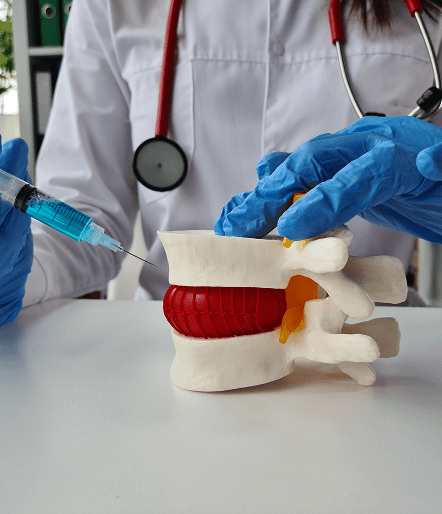
Interventional pain procedures span a range from diagnostic nerve blocks to therapeutic injections to nerve modulation techniques. They share several key features:
Epidural Steroid Injections: Deliver anti-inflammatory medication into the epidural space to treat nerve root inflammation from herniated discs, spinal stenosis, sciatica, and pinched nerves. Performed under fluoroscopic guidance.
Facet Joint Injections: Target the small joints along the back of the spine that can develop arthritis and cause axial neck or back pain. Serve both diagnostic and therapeutic purposes.
Medial Branch Blocks: Precisely target the nerves supplying the facet joints to diagnose facet-mediated pain and determine candidacy for RFA.
Radiofrequency Ablation (RFA): Uses controlled heat energy to disrupt medial branch nerves and provide longer-lasting relief — typically 6–12+ months — for confirmed facet joint pain.
Sacroiliac Joint Injections: Inject diagnostic and/or therapeutic medication into the SI joint, which connects the spine to the pelvis and can be a source of low back and buttock pain.
Intraarticular Injections: Targeted injections into the knee, hip, shoulder, ankle, or elbow joint for osteoarthritis, inflammatory conditions, and soft tissue injuries — performed under ultrasound or fluoroscopic guidance.
Tendon and Bursa Injections: Ultrasound-guided injections into or around tendons, ligaments, and bursae for tendinopathy, bursitis, and soft tissue overuse injuries.
Platelet-Rich Plasma (PRP): Concentrates your own platelets and growth factors for injection into damaged joints, tendons, ligaments, or discs to support tissue healing.
Bone Marrow Aspirate Concentrate (BMAC): Uses concentrated cells from your own bone marrow to support healing in more advanced joint degeneration, bone marrow lesions, and structural injuries.
| Procedure | Guidance Type | Primary Use |
| Epidural Steroid Injection | Fluoroscopy | Nerve root inflammation, sciatica, disc herniation |
| Facet Joint Injection | Fluoroscopy | Facet arthritis, axial neck/back pain |
| Medial Branch Block | Fluoroscopy | Facet pain diagnosis, pre-RFA evaluation |
| Radiofrequency Ablation (RFA) | Fluoroscopy | Long-lasting facet pain relief |
| SI Joint Injection | Fluoroscopy | Sacroiliac joint pain |
| PRP Therapy | Ultrasound / Fluoroscopy | Tendon, ligament, joint, and disc healing |
| BMAC Stem Cell Therapy | Ultrasound / Fluoroscopy | Advanced joint degeneration, tissue repair |
| Knee / Hip / Shoulder Injections | Ultrasound | Intraarticular injections for OA and soft tissue |
| Tendon / Bursa Injections | Ultrasound | Tendinopathy, bursitis, soft tissue injuries |
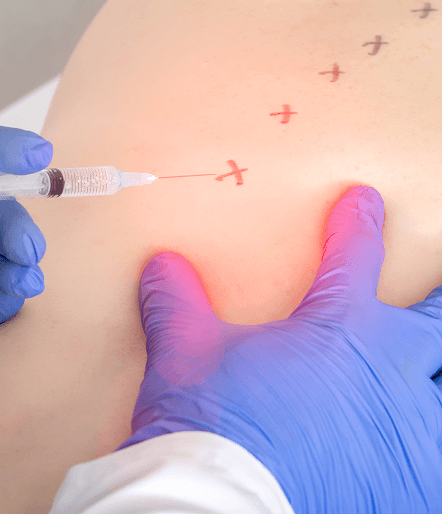
Every interventional procedure begins with a comprehensive evaluation — including medical history, physical examination, imaging review, and diagnostic ultrasound when appropriate. The goal is to accurately identify the pain generator before any intervention is recommended.
Dr. Bonner’s approach is guided by three principles:
Referrals depend on your specific insurance plan. You can contact our clinic directly to schedule a consultation and determine if you need a referral. Dr. Bonner will perform a thorough evaluation before recommending any procedure.
The appropriate procedure depends on your diagnosis, symptoms, and imaging findings. Dr. Bonner will review your history and examination before recommending a specific intervention. In some cases, a diagnostic procedure is performed first to confirm the pain source before a therapeutic procedure is planned.
Many interventional procedures — including epidural injections, facet injections, medial branch blocks, and RFA — are covered by most major insurance plans when medically necessary criteria are met. Regenerative procedures (PRP, BMAC) are typically not covered by insurance. Our team will review your coverage prior to scheduling.
The timeline depends on the procedure. Some patients notice relief within hours from local anesthetic effects; corticosteroid effects typically develop over 2–14 days. Radiofrequency ablation typically produces maximum benefit over 4–6 weeks. Regenerative treatments like PRP and BMAC develop gradually over 6 weeks to 6 months.
Yes — and this is often an effective approach. For example, an epidural steroid injection may be used to control acute nerve inflammation while PRP or BMAC addresses the underlying disc or tissue damage. Dr. Bonner designs individualized treatment plans that combine procedures strategically.
If you are experiencing pain and want to determine whether an image-guided injection is appropriate for you, we are here to help.
Contact our Miami clinic to schedule an appointment with Dr. Bonner, or book online through ZocDoc for available appointment times (if you do not see availability, please reach out to us directly at 786-522-4959).
BOOK ONLINE NOW