
Platelet-rich plasma (PRP) therapy is a regenerative treatment that harnesses the healing power of your own blood to reduce pain, decrease inflammation, and promote tissue repair. By concentrating your body’s natural growth factors and delivering them directly to the site of injury or degeneration, PRP supports your body’s ability to heal itself — without surgery.
At our Miami clinic, Dr. William Bonner performs PRP therapy as part of the Regenexx network — the world’s most advanced network of regenerative medicine physicians. Every PRP injection is performed under precise image guidance (ultrasound or fluoroscopy) to ensure the treatment reaches the exact structures that need it most.
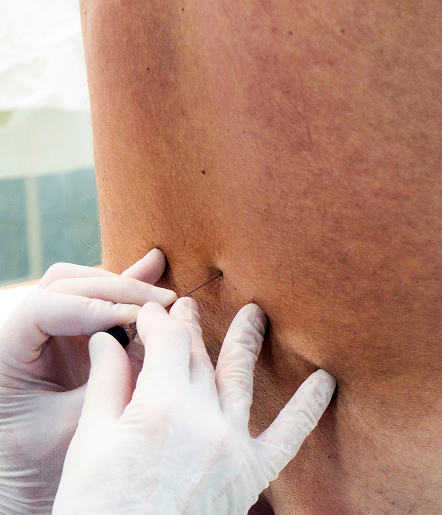
PRP is created by drawing a small amount of your own blood — similar to a routine blood draw — and processing it in a centrifuge to separate and concentrate the platelets. Platelets are best known for their role in clotting, but they also contain hundreds of bioactive proteins called growth factors that play a critical role in tissue healing and regeneration.
The concentrated platelet solution is then injected directly into the damaged area under image guidance. Because PRP uses only your own blood, there is no risk of allergic reaction or immune rejection.
When PRP is injected into damaged tissue, the concentrated growth factors help initiate and accelerate the body’s natural repair processes. The key mechanisms include:
The result is a treatment that works with your body’s own biology rather than simply masking symptoms the way corticosteroid injections or pain medications often do.
Both PRP and bone marrow aspirate concentrate (BMAC) are autologous regenerative treatments offered at our clinic. While they share the goal of supporting your body’s healing, they differ in potency and are suited for different levels of injury:
Dr. Bonner will evaluate your imaging, symptoms, and goals to recommend the most effective approach for your situation.
Cortisone (corticosteroid) injections have been used for decades to reduce joint inflammation and pain. While they can provide effective short-term relief, research has shown that repeated cortisone injections may actually accelerate cartilage breakdown over time. PRP takes a fundamentally different approach:
| Cortisone Injection | PRP Therapy | |
| Mechanism | Suppresses inflammation | Promotes healing and tissue repair |
| Source | Synthetic steroid | Your own blood platelets |
| Duration of Relief | Weeks to a few months | Months to over a year in many cases |
| Effect on Tissue | May accelerate cartilage loss with repeated use | Supports tissue repair and regeneration |
| Repeat Treatments | Limited due to tissue damage risk | Can be repeated safely as needed |
| Best For | Acute flare-ups needing quick relief | Chronic conditions, tendon injuries, early to moderate arthritis |
Dr. Bonner will discuss whether PRP, cortisone, or another approach is most appropriate for your specific condition and treatment goals.
Both PRP and bone marrow aspirate concentrate (BMAC) are autologous regenerative treatments offered at our clinic. While they share the goal of supporting your body’s healing, they differ in potency and are suited for different levels of injury:
Dr. Bonner will evaluate your imaging, symptoms, and goals to recommend the most effective approach for your situation.
Not all PRP is created equal. The quality of your PRP treatment depends heavily on how the platelets are processed and how precisely they are delivered. As a Regenexx provider, Dr. Bonner offers several important advantages:
Traditional treatments often target the symptoms of orthopedic conditions without addressing why they occurred. Regenerative medicine shifts the focus to long-term health and structural integrity.
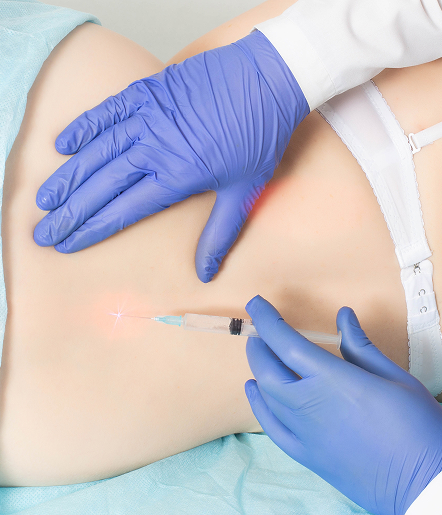
PRP therapy may be appropriate for a wide range of musculoskeletal conditions, including:
The PRP procedure is performed in a single office visit and typically takes a few hours. Here is what to expect:
A sample of blood is drawn from your arm, similar to a standard lab draw, but a large quantity of blood is required. The amount varies depending on the area being treated but is typically between more than 150 milliliters. A high volume of blood drawn means that we have a high number of platelets available to help treat the issue. There is evidence related to PRP treatments showing that higher numbers of platelets lead to better results.
Your blood is placed in a centrifuge, which spins at high speed to separate the platelets and growth factors from the red blood cells and other components. As a Regenexx network provider, Dr. Bonner uses advanced processing protocols that produce a more concentrated PRP than many standard commercial kits.
The concentrated PRP is injected directly into the affected area using real-time ultrasound or fluoroscopic guidance. This ensures the growth factors are delivered precisely to the damaged tissue — whether that is a joint surface, tendon, ligament, or other structure. Precise placement is one of the most important factors in treatment outcomes.
You may be a good candidate for PRP therapy if you:
During your consultation, Dr. Bonner will review your imaging, medical history, and symptoms to determine whether PRP — alone or in combination with other treatments like bone marrow concentrate therapy — is the right approach for your condition.
PRP therapy is an outpatient procedure and all patients go home the same day. Recovery is generally straightforward, but it’s important to understand that PRP works by stimulating a healing response — so some temporary soreness or pain in the treated area is normal and expected. General recovery guidelines include:
Yes. PRP uses your own blood, so there is no risk of allergic reaction, immune rejection, or disease transmission. As with any injection, there are minor risks such as temporary soreness, bruising, or swelling at the injection site. Performing the procedure under image guidance further reduces risk by ensuring accuracy.
The quality of PRP varies enormously depending on the processing method and the physician performing the injection. Many clinics use simple, off-the-shelf centrifuge kits that produce relatively low platelet concentrations. As a Regenexx provider, Dr. Bonner uses advanced lab processing that allows for higher platelet concentrations and customized formulations. Additionally, every injection is performed under real-time image guidance — not blindly — which is critical for treatment effectiveness.
Most insurance plans do not currently cover PRP therapy. Our office can provide detailed pricing during your consultation. Many patients find that PRP is a worthwhile investment compared to the cost and recovery time associated with surgical alternatives.
This depends on your condition. Some patients experience significant improvement after a single treatment, while others benefit from a series of 2–3 injections spaced several weeks apart. Dr. Bonner will create an individualized treatment plan based on your diagnosis and response to therapy.
The injection area is numbed with local anesthetic before the PRP is delivered. Most patients describe the procedure as involving mild pressure or discomfort rather than significant pain. Some soreness in the treated area over the following few days is normal and indicates that the healing process has been activated.
For many patients with early to moderate osteoarthritis or soft tissue injuries, PRP can provide meaningful pain relief and functional improvement that delays or eliminates the need for surgery. However, outcomes vary depending on the severity of the condition, overall health, and adherence to post-treatment rehabilitation. Dr. Bonner will give you an honest assessment of what PRP can realistically achieve for your specific situation.
Absolutely. PRP is frequently used as part of a broader treatment plan that may include physical therapy, activity modification, bracing, and in some cases, bone marrow concentrate (BMAC) stem cell therapy. The combination of treatments is tailored to your specific diagnosis and goals.
If you are dealing with chronic joint pain, a tendon injury, arthritis, or another musculoskeletal condition and want to explore whether PRP therapy is right for you, we are here to help.
Contact our Miami clinic to schedule an appointment with Dr. Bonner, or book online through ZocDoc for available appointment times (if you do not see availability, please reach out to us directly at 786-522-4959).
BOOK ONLINE NOW