
Spinal stenosis is a condition in which the spaces within the spine narrow, placing pressure on the spinal cord or nerve roots. This narrowing can lead to pain, numbness, weakness, and difficulty with walking or standing, particularly in older adults.
At our Miami clinic, we provide a comprehensive, non-surgical approach to spinal stenosis treatment focused on relieving symptoms, improving mobility, maintaining function, and avoiding unnecessary surgery whenever possible.
Spinal stenosis occurs when age-related or degenerative changes reduce the space available for neural structures within the spine. This narrowing may affect:
Spinal stenosis most commonly affects the:
Lumbar spinal stenosis is a common cause of leg pain and walking intolerance, while cervical spinal stenosis may affect the arms, hands, or balance.
Symptoms vary depending on the location and severity of stenosis. Common symptoms include:
Symptoms often worsen gradually and may fluctuate with activity level.

Spinal stenosis most often develops due to degenerative changes within the spine, including:
These changes may occur together and contribute to progressive narrowing of spinal spaces.
Accurate diagnosis requires correlating symptoms with physical examination findings and imaging results. Evaluation typically includes:
Detailed medical history and symptom assessment
Physical examination focusing on neurologic function and gait
Assessment of posture and movement patterns
Review of prior imaging
MRI of the spine when clinically indicated
Imaging findings are interpreted alongside symptoms, as the degree of narrowing does not always predict symptom severity.
Most patients with spinal stenosis improve with conservative care.
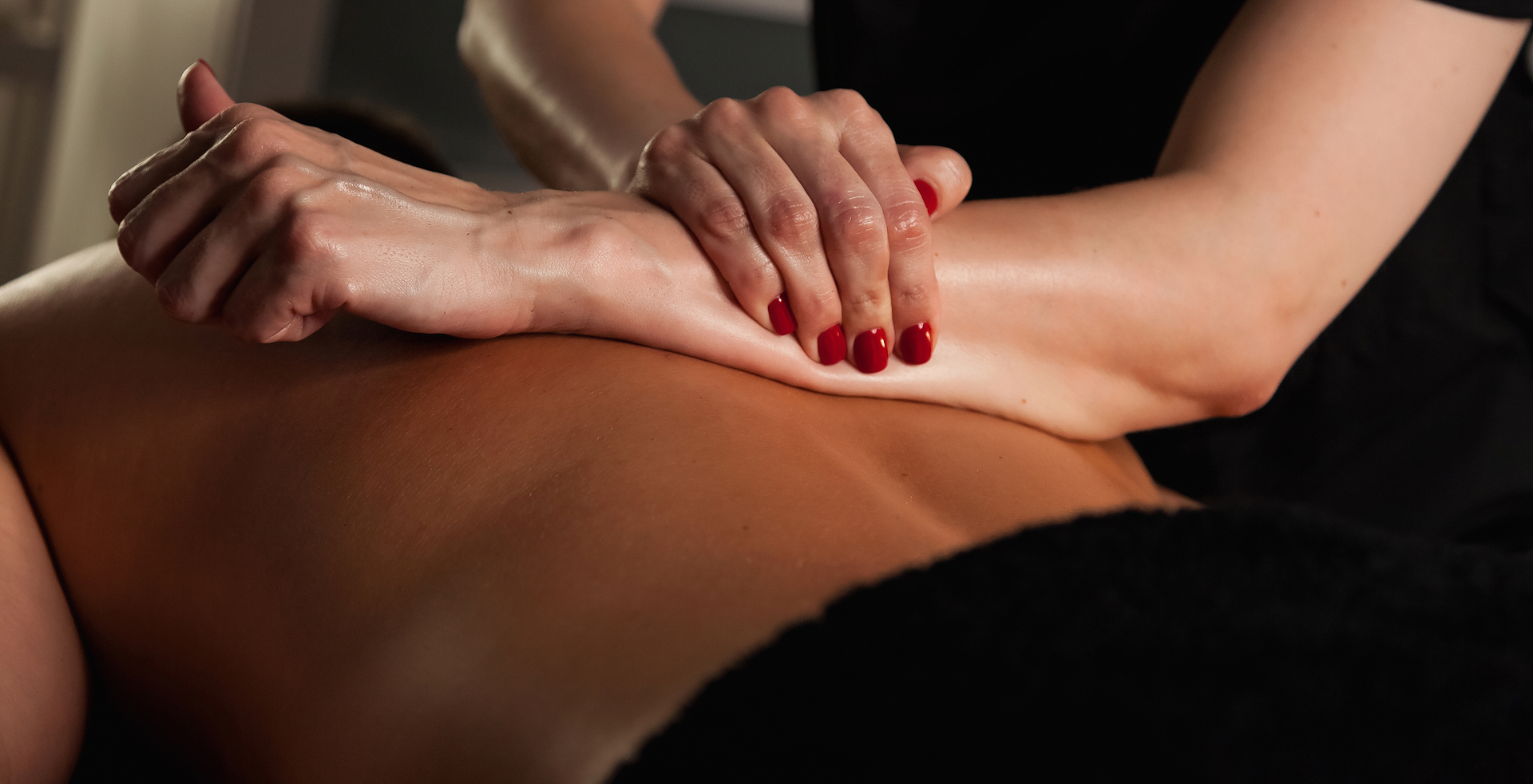
Physical therapy is often central to treatment and may focus on:
Remaining active within pain limits is encouraged, as prolonged rest is not recommended.
Medications are used strategically and at the lowest effective dose.
In select cases, injections may be considered to reduce inflammation associated with spinal stenosis:
These procedures are typically performed using image guidance to improve accuracy and safety and are not intended as long-term standalone solutions.
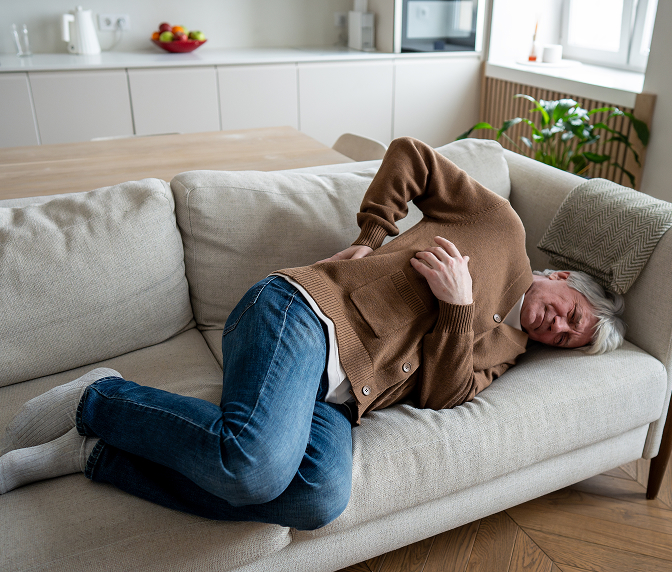
In certain situations, biologic therapies such as platelet-rich plasma (PRP) may be discussed as part of a broader non-surgical treatment plan. These treatments are intended to support tissue health and reduce inflammation. A Regenerative Medicine treatment for spinal stenosis should treat the entire functional spinal unit at each affected level of the spine.
Appropriate patient selection is critical and based on symptoms, imaging findings, and treatment goals. These treatments should always be performed by trained specialists with expertise in targeting the specific structures of the spine.
| Treatment Type | Main Purpose | Expected Duration of Relief | Invasiveness |
|---|---|---|---|
| Physical Therapy | Improve mobility, posture, and strength | Long-term with compliance | Non-invasive |
| Medications | Reduce pain or inflammation | Short-term | Non-invasive |
| Steroid Injections | Reduce inflammation and nerve irritation | Weeks to months | Minimally invasive |
| Regenerative Medicine (e.g., PRP) | Support tissue healing | Long-term | Minimally invasive |
| Surgery | Correct structural issues | Permanent | Highly Invasive |
Most patients benefit from a layered approach that incorporates rehabilitation, activity modification, and targeted interventions.
You may be a good candidate if you:
Treatment plans are individualized based on symptom severity and functional goals.
Miami residents are highly active, and repetitive lifting, rotational sports, running, and gym-based training can place added stress on the spine. Treatment for active adults focuses on:
We aim to keep patients active while managing their condition safely.
Severe pain, persistent symptoms, weakness, numbness, or changes in bowel or bladder control warrant immediate medical attention.
No. The majority of symptomatic spinal stenosis cases improve with non-surgical treatments such as physical therapy, medications, injections, and regenerative options. Additionally, patience is paramount when treating this condition.
Imaging studies like X-ray and MRI are ordered when it will meaningfully influence diagnosis or treatment planning. Imaging studies are not always necessary, and not always covered by insurance, when treating spine pain. Additionally, spinal stenosis is a very common finding on imaging studies and is often asymptomatic.
Recovery varies depending on the cause of pain, adherence to therapy, and overall health. Many patients experience improvement over several weeks to months.
If you are experiencing symptoms of spinal stenosis and want a comprehensive evaluation and non-surgical treatment plan, we are here to help. Contact our Miami clinic to schedule an appointment.
CONTACT US