
Meniscus tears are among the most common knee injuries in adults. While arthroscopic surgery has been the traditional treatment, multiple randomized controlled trials have shown that for degenerative tears, arthroscopic partial meniscectomy provides no better long-term outcomes than physical therapy alone — and removing meniscal tissue significantly accelerates the risk of subsequent osteoarthritis. BMAC stem cell therapy offers a non-surgical approach that supports tissue healing while preserving the meniscal structure that protects your knee long-term.
Dr. William Bonner, a credentialed Regenexx network provider in Miami, performs fluoroscopy and ultrasound-guided BMAC procedures for meniscus tears as part of a comprehensive non-surgical knee care program.
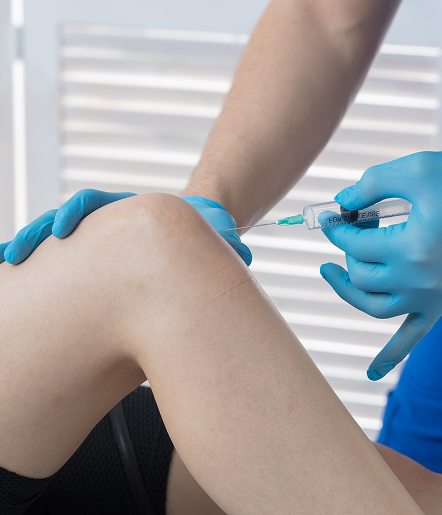
The meniscus distributes load across the knee, stabilizes the joint, and protects articular cartilage. Partial meniscectomy relieves mechanical symptoms but increases the remaining meniscus’s load — accelerating cartilage wear and lifetime osteoarthritis risk. BMAC supports preservation by delivering:
| Tear Type | BMAC Response Potential | Notes |
| Degenerative (horizontal/complex) | Good — common in adults 40+ | Often associated with early OA; BMAC addresses both simultaneously |
| Partial vertical/longitudinal | Good — especially in vascular zone | Red zone tears have blood supply to support healing |
| Radial tear | Moderate — depends on extent | More complete disruption limits healing potential |
| Root tear (complete) | Limited — often requires surgical repair | Root integrity is critical for load distribution |
| Post-meniscectomy knee | Moderate — depends on remaining tissue | BMAC supports remaining tissue and slows OA progression |
Many clinics in Miami advertise ‘stem cell therapy’ using amniotic or umbilical cord products that independent research has shown to contain no viable living stem cells. As a credentialed Regenexx network provider, Dr. Bonner uses your own living bone marrow stem cells — harvested and processed the same day — under strict evidence-based protocols backed by the largest regenerative orthopedics outcome registry in the world. Regenexx is the only organization with this combination of proprietary lab processing, published clinical research, and rigorous provider credentialing.
Both PRP and BMAC are autologous treatments using your own biology. PRP is derived from a blood draw and is an excellent first-line regenerative option for small, uncomplicated meniscus tears. BMAC adds mesenchymal stem cells — making it the preferred option for more advanced injuries or cases where PRP has not provided sufficient improvement. Often, Dr. Bonner uses both together for a more comprehensive regenerative effect.
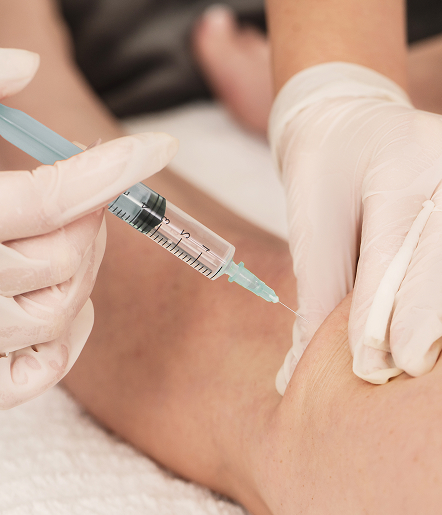
The procedure is performed in a single visit at our Miami clinic. Bone marrow is aspirated from the posterior iliac crest under local anesthetic and ultrasound and/or fluoroscopic guidance, processed in-office using Regenexx concentration protocols, then injected into the knee under imaging guidance. Total procedure time including processing is approximately 2.5 to 3.5 hours.
Most patients resume light daily activities within 1–3 days. Improvement develops gradually over 6–12 weeks, with continued benefit over 3–6 months.
For many degenerative and partial tears, BMAC can support healing and provide significant symptom relief. Complete tears, root tears, and tears causing mechanical symptoms (locking, catching) may still require surgery. Dr. Bonner will review your MRI and give you an honest recommendation.
Under ultrasound guidance — both into the tear site and the surrounding joint space. Real-time ultrasound allows precise targeting directly to the torn tissue.
Yes. BMAC is frequently used after meniscectomy to support remaining tissue, reduce inflammation, and slow progression toward osteoarthritis.
PRP is an excellent first-line option for smaller or more acute tears. BMAC adds a stem cell component that may provide more potent support for larger or degenerative tears, or when PRP has not produced sufficient improvement.
Yes. In many cases Dr. Bonner uses PRP and BMAC together — each targeting different aspects of the joint environment for a more comprehensive regenerative effect.
If you are dealing with knee pain or a meniscus tear and want to explore whether BMAC therapy is right for you, we are here to help.
Contact our Miami clinic to schedule an appointment with Dr. Bonner, or book online through ZocDoc for available appointment times (if you do not see availability, please reach out to us directly at 786-522-4959).
BOOK ONLINE NOW