
Knee osteoarthritis is one of the most common causes of joint pain and disability in adults, characterized by the gradual breakdown of cartilage that cushions the knee joint. While there is no cure for osteoarthritis, platelet-rich plasma (PRP) therapy has emerged as an effective non-surgical option for reducing pain and slowing joint degeneration — particularly in mild to moderate disease.
At our Miami clinic, Dr. William Bonner — part of the Regenexx network — performs image-guided PRP injections for knee pain and osteoarthritis, targeting the specific structures contributing to each patient’s symptoms with precision and care.
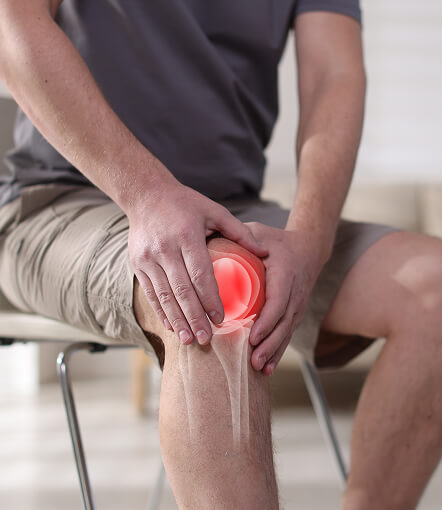
Osteoarthritis of the knee occurs when the articular cartilage — the smooth tissue covering the ends of the femur and tibia — gradually wears down. As cartilage thins, the joint space narrows, bone-on-bone contact increases, and inflammation develops. Contributing factors include:
Left untreated, knee osteoarthritis tends to progress — making early, proactive treatment an important strategy for preserving joint function.
Conventional treatments for knee osteoarthritis — including NSAIDs and corticosteroid injections — primarily manage symptoms without addressing the underlying cartilage loss. Research on PRP for knee osteoarthritis has shown promising results, including:
As part of the Regenexx network, Dr. Bonner uses a high-quality, precision PRP protocol that is tracked in one of the largest orthobiologics outcome registries in the world.
Cortisone (corticosteroid) injections have been used for decades to reduce joint inflammation and pain. While they can provide effective short-term relief, research has shown that repeated cortisone injections may actually accelerate cartilage breakdown over time. PRP takes a fundamentally different approach:
| Cortisone Injection | PRP Therapy | |
| Mechanism | Suppresses inflammation | Promotes healing and tissue repair |
| Source | Synthetic steroid | Your own blood platelets |
| Duration of Relief | Weeks to a few months | Months to over a year in many cases |
| Effect on Tissue | May accelerate cartilage loss with repeated use | Supports tissue repair and regeneration |
| Repeat Treatments | Limited due to tissue damage risk | Can be repeated safely as needed |
| Best For | Acute flare-ups needing quick relief | Chronic conditions, tendon injuries, early to moderate arthritis |
Dr. Bonner will discuss whether PRP, cortisone, or another approach is most appropriate for your specific condition and treatment goals.
PRP knee injections are performed under ultrasound and fluoroscopic guidance in our Miami clinic to ensure accurate placement. The procedure takes less than a few hours from blood draw to injection. Mild soreness or swelling in the knee for a few days after the procedure is normal and expected.
Most patients beginз to notice improvement in pain and function over 4–8 weeks, with continued benefit developing over 3–6 months. A series of 1–3 injections may be recommended depending on disease severity and procedural outcome.
PRP tends to produce the best results in mild to moderate knee osteoarthritis. Patients with advanced, bone-on-bone arthritis may still benefit, but Dr. Bonner may also discuss bone marrow concentrate (BMAC) stem cell therapy as a more potent option for severe degeneration.
Results vary, but many patients experience meaningful pain relief and functional improvement for 12–18 months or longer. Repeat treatments can be performed as needed.
Yes. PRP is often used as part of a comprehensive treatment plan that may include physical therapy, viscosupplementation, or BMAC depending on the patient’s goals and disease severity.
PRP is generally not covered by health insurance. Our team will discuss pricing and out-of-pocket options at your consultation.
Not all PRP is created equal. The quality of your PRP treatment depends heavily on how the platelets are processed and how precisely they are delivered. As a Regenexx provider, Dr. Bonner offers several important advantages:
PRP therapy is an outpatient procedure and all patients go home the same day. Recovery is generally straightforward, but it’s important to understand that PRP works by stimulating a healing response — so some temporary soreness or pain in the treated area is normal and expected. General recovery guidelines include:
If you are dealing with knee pain from osteoarthritis and want to explore whether PRP therapy is right for you, we are here to help.
Contact our Miami clinic to schedule an appointment with Dr. Bonner, or book online through ZocDoc for available appointment times (if you do not see availability, please reach out to us directly at 786-522-4959).
BOOK ONLINE NOW