
Knee pain is one of the most common musculoskeletal conditions affecting adults, especially in active individuals and those with degenerative changes. Pain in the knee can come from arthritis, ligament or tendon injuries, meniscus tears, overuse, or chronic degeneration. At our Miami clinic, we provide a comprehensive, non-surgical approach to diagnosing and treating knee pain that focuses on reducing pain, improving joint function, and helping patients avoid invasive surgery when possible.
Our goal is to help patients walk, work, and engage in the activities they enjoy with less pain and better mobility.
We diagnose and manage a broad range of non-surgical knee pain conditions, including:
Many patients experience pain that limits climbing stairs, walking, sitting, or standing for prolonged periods.
Knee pain may include:
Symptoms can arise slowly from degenerative change or acutely after an injury.

Knee pain can originate from a variety of structures, including bone, cartilage, ligaments, tendons, and soft tissues. Common causes include:
Each type of injury or condition can produce distinct symptoms, making accurate diagnosis an important first step.
A thorough knee evaluation helps determine the most effective treatment plan and may include:
Complete medical history and symptom assessment
Physical and orthopedic examination
Mobility and functional movement analysis
Review of prior imaging (X-ray, MRI, CT)
Diagnostic ultrasound, when appropriate
Each evaluation is individualized to identify the true source of pain and guide treatment decisions.
Most patients with knee pain improve with non-surgical care using a combination of conservative and interventional treatments.

Physical therapy plays a central role in non-surgical knee care, including:
Rehabilitation helps reduce stress on knee structures and improve overall joint mechanics.
Appropriate medication strategies may include:
Medications can help manage symptoms while other therapies promote healing.
Knee braces, orthotics, and supportive devices may reduce strain and improve stability during activities.
Targeted injections can reduce inflammation and pain:
These are performed under imaging guidance when appropriate to ensure accuracy and safety.
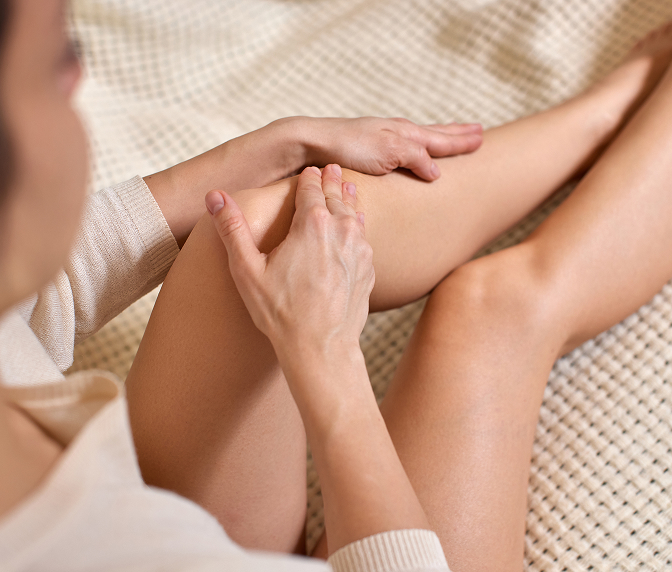
In cases where conservative care alone is insufficient, regenerative medicine options may help support the body’s own healing processes and improve long-term outcomes.
Regenerative treatments may include:
These procedures use your own biologic materials to enhance healing and function, helping avoid or delay the need for surgery in many cases.
| Treatment Type | Purpose | Duration of Impact | Invasiveness |
|---|---|---|---|
| Physical Therapy | Improve movement and function | Long-term with adherence | Non-invasive |
| Medications | Pain and inflammation control | Short-term | Non-invasive |
| Bracing/Support | Reduce joint stress | Activity-dependent | Non-invasive |
| Injections (steroid, hyaluronic acid) | Reduce inflammation | Weeks to months | Minimally invasive |
| Regenerative Treatments (PRP/Cell) | Promote healing | Potential long-term | Minimally invasive |
| Surgery (if necessary) | Structural repair | Permanent | Invasive |
Many patients benefit from a coordinated, non-surgical plan before considering surgical intervention.
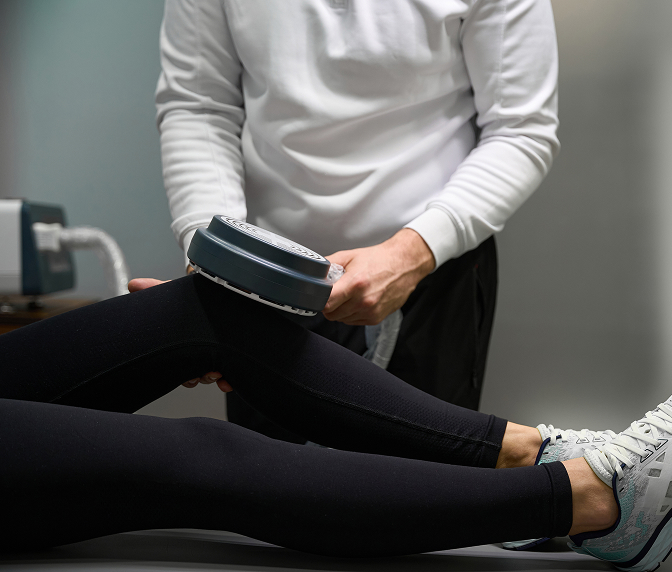
You may be a good candidate for non-surgical knee care if you:
A personalized approach ensures that the recommended treatments align with your goals and lifestyle.
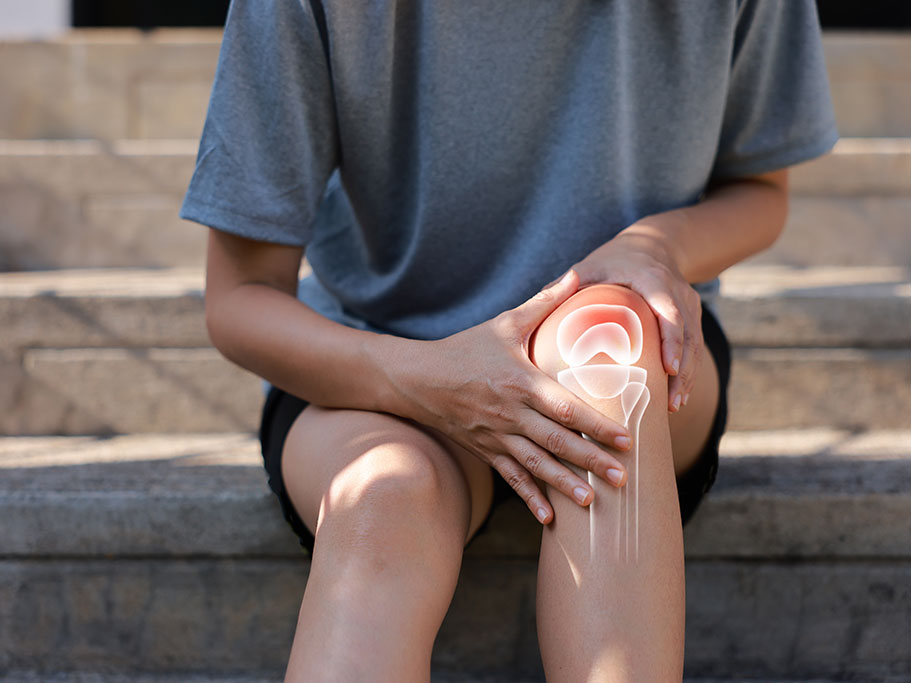
Active adults and professionals often place significant stress on the knees through sports and repetitive movements. Treatment focuses on:
The goal is to help patients remain active and productive while managing symptoms safely and effectively.
Rarely. Many cases of knee pain can be treated successfully with non-surgical care including therapy, patience, injections, and regenerative procedures.
When performed by trained specialists using your own biologic materials, regenerative procedures are generally considered safe and may support healing processes. These procedures should always be performed with imaging guidance like ultrasound and fluoroscopy to target very specific structures in or around the knee joint.
Recovery times vary by condition and treatment. Rehabilitation and regenerative care may take weeks to months for optimal improvement.
Imaging is used when it will meaningfully influence diagnosis or treatment planning.
If you are experiencing knee pain and want a comprehensive evaluation and non-surgical treatment plan, we are here to help. Contact our Miami clinic to schedule an appointment.
CONTACT US